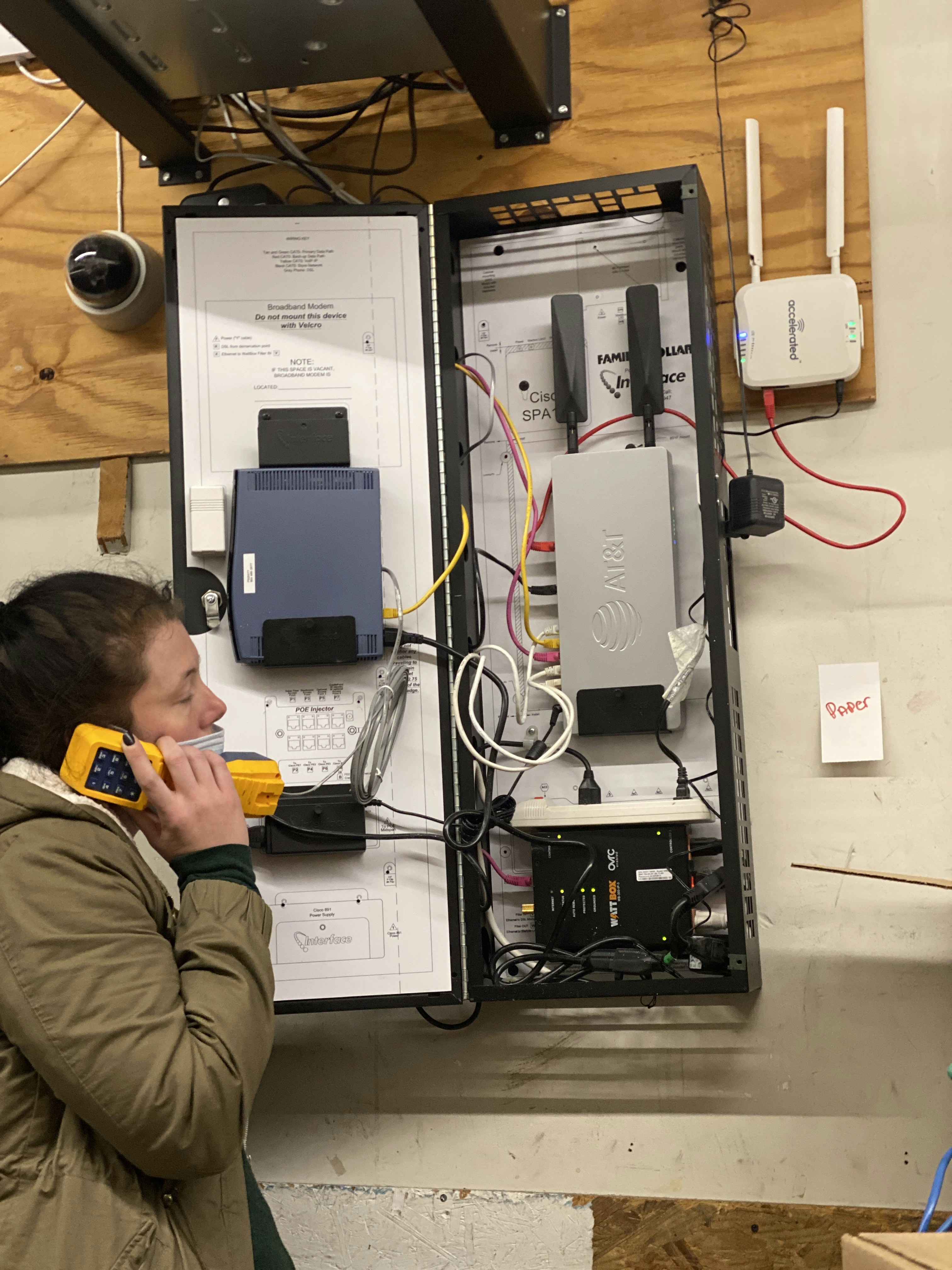
Category: structured cabling

  • Understanding the Demarcation Point in Tularosa, New Mexico: A Networking Essential

    Understanding the Demarcation Point in Tularosa, New Mexico: A Networking Essential

    What is a Demarcation Point?

    The term ‘demarcation point,’ commonly abbreviated as DP, is integral to networking as it pertains to the physical interface between two networks. In the context of telecommunications, the DP serves a crucial role, marking the boundary where the telecommunication carrier’s infrastructure connects to the customer’s internal network. Essentially, this point delineates responsibility for the managed network; anything beyond the DP falls under the jurisdiction of the customer, while everything on the other side is managed by the service provider.

    Establishing a demarcation point is not arbitrary. It is established according to specific guidelines that consider the operational needs of both the telecommunications provider and the customer. This standardized location aids in clear accountability, which is essential for maintenance, troubleshooting, and operational efficiency.

    Maintaining the integrity of the demarcation point is vital for uninterrupted network service. Telecommunications carriers often have policies regarding the maintenance of DPs to ensure continuity and service quality. This maintenance typically includes regular inspections and functionality tests to identify and rectify any potential issues that may affect connectivity. Moreover, proper management of the DP is essential not only for resolving service disruptions but also for enhancing security, as it effectively segregates network traffic and limits exposure to outside elements.

    A well-defined demarcation point provides clarity in roles, ensuring that both parties understand their responsibilities in maintaining network continuity. Therefore, the DP is not merely a technical specification; it is foundational in fostering an effective and reliable networking environment, especially in a community like Tularosa, New Mexico, where robust connectivity is increasingly vital for both residential and business domains.

    The Role of the Demarcation Point in Networking

    The demarcation point, often referred to as the “demarc,” plays a vital role in networking by serving as the physical or logical boundary between entities, such as a service provider and the end user. This designated location serves multiple purposes that encompass fault isolation, service differentiation, and the overall performance and reliability of a network.

    One of the primary functions of a demarcation point is fault isolation. By defining a clear boundary, network operators can easily determine where issues arise—whether from the end user’s equipment or the service provider’s infrastructure. This partitioning simplifies troubleshooting processes and minimizes downtime, which is essential for maintaining an efficient network. Effective fault isolation also enhances communication between service providers and consumers, as it facilitates quicker responses to network-related issues.

    Additionally, the demarcation point enables service differentiation. Different services may utilize various network technologies, and the demarc allows for the integration of multiple services without conflict. For instance, a customer might contract for internet service, VoIP, or other data services, each with its set of requirements and performance metrics. By ensuring that these services are managed at their respective points, the reliability of each service can be maintained independently, thereby optimizing customer satisfaction.

    Moreover, the placement of the demarcation point can significantly influence the overall reliability and performance of a network. A strategically located demarc can reduce latency and enhance data transfer speeds, ensuring that the end user’s experience remains smooth and effective. Thus, understanding the significance of the demarcation point in networking is essential for both service providers and consumers striving for optimum connectivity and service quality.

    Why the Demarcation Point Matters in Tularosa

    The concept of a demarcation point (DP) serves as a pivotal aspect of networking, particularly in areas like Tularosa, New Mexico. The significance of the demarcation point extends beyond merely being a technical definition; it encompasses the very framework supporting the local telecommunications infrastructure. In Tularosa, understanding this point becomes essential for both residents and businesses striving to optimize their network services.

    In many regions, including Tularosa, the DP often signifies the threshold where the responsibility for a network connection shifts from the service provider to the end-user. This distinction underscores the need for local stakeholders to comprehend the network topology, helping them make informed decisions regarding service upgrades or troubleshooting strategies. Businesses that grasp the implications of this transition can better manage their connectivity needs, ensuring a reliable flow of communication and data.

    Moreover, Tularosa faces unique networking challenges due to its geographical context and population density. The town’s infrastructure may not always keep pace with technological advances, posing potential obstacles in establishing robust connections. Therefore, recognizing where the demarcation point lies can help residents and businesses identify limitations in service, as well as areas for improvement. Addressing these issues can lead to enhanced collaboration between service providers and the local community, fostering a more efficient and resilient networking environment.

    As the demand for reliable internet and telecommunications services continues to grow, the demarcation point remains a critical factor in ensuring quality connectivity in Tularosa. Awareness of how it affects service delivery can empower individuals and businesses alike, driving technological growth and improving overall quality of life.

    Demarcation Point Setup and Standards

    In Tularosa, New Mexico, establishing a demarcation point (DP) is governed by a series of best practices and regulatory guidelines that ensure optimal functionality and compliance within network infrastructures. A demarcation point serves as a key interface between a telecommunications provider’s network and the customer’s internal wiring system. Consequently, understanding the setup standards is crucial for telecommunication professionals, as well as for businesses and residents relying on these essential services.

    The Federal Communications Commission (FCC) plays a fundamental role in establishing regulations that affect demarcation points, ensuring they meet specific standards to safeguard customer connections. These regulations stipulate the physical location of the DP, which should ideally be positioned in a readily accessible area to facilitate service maintenance and upgrades. Moreover, installation practices are generally required to follow the Telecommunications Industry Association (TIA) standards, focusing on reliability and ease of access.

    In addition to federal guidelines, local regulations may also apply in Tularosa. It is advisable for installers to be familiar with local building codes, which can influence the materials used and the installation techniques chosen. By adhering to both federal and local standards, service providers can ensure a consistent quality of service while minimizing operational disruptions for end-users.

    Furthermore, utility companies in Tularosa often have specific requirements regarding the wiring and equipment used within their demarcation points. Understanding these requirements helps in aligning customer expectations with service capabilities. By ensuring that all installations adhere to established guidelines, telecommunications firms can better serve their customers and contribute to a robust communication infrastructure.

    Common Issues Related to Demarcation Points

    Demarcation points serve as crucial components in networking infrastructure, especially in areas like Tularosa, New Mexico, where both residential and commercial users rely heavily on connectivity. However, several common issues can arise at these points, leading to inconvenience and disruption of services.

    One of the primary challenges experienced at demarcation points is connectivity issues. These problems may manifest as slow internet speeds, intermittent connections, or complete outages. Such connectivity disruptions can have significant ramifications for businesses, potentially leading to lost revenue and frustrated customers. Residential users may also face difficulties, particularly if they work from home or depend on internet services for entertainment and communication.

    An additional concern involves maintenance difficulties. Regular maintenance is essential to ensure the proper functioning of equipment located at demarcation points. In Tularosa, limited access to skilled technicians can pose a challenge, as timely repairs may not be readily available. Without proper maintenance, the risk of equipment malfunction increases, further compounding connectivity issues.

    Furthermore, the impact of these challenges extends beyond immediate connectivity concerns. For businesses, consistent network failures can hinder productivity and may cause financial strain. Home users, particularly those without alternative internet options, may experience significant disruption in their daily activities. Therefore, it is imperative to address these issues proactively and work towards establishing reliable solutions that minimize downtime.

    In conclusion, understanding the common issues related to demarcation points is essential for both residential and commercial users in Tularosa. By recognizing potential connectivity and maintenance challenges, stakeholders can implement effective strategies to mitigate these problems, ensuring a stable and reliable network infrastructure.

    Best Practices for Managing Demarcation Points

    Demarcation points serve as crucial intersections in telecommunications and networking, delineating the boundary between the service provider’s network and the end user’s infrastructure. To ensure effective management and maintenance of these points, implementing best practices is essential. Regular routine inspections are fundamental in identifying potential issues before they escalate into serious problems. Inspections should include checking for deterioration of infrastructure, verifying connections, and ensuring that no physical damage has occurred to the hardware involved.

    A well-organized documentation process should accompany these inspections. Keeping accurate records of maintenance activities, inspection results, and any issued tickets related to the demarcation points allows for better management over time. This documentation can also serve as an invaluable reference for troubleshooting any issues that may arise. Additionally, it promotes accountability and aids in identifying patterns that could suggest recurring problems.

    When it comes to troubleshooting common issues related to demarcation points, having a clear understanding of the equipment and connections involved is crucial. Common troubleshooting steps may include verifying connectivity, testing signal strength, and checking power supply. It is also advisable to establish a quick reference guide for technicians, outlining procedures to follow when dealing with typical issues. This guide can facilitate quicker resolutions and mitigate downtime.

    Furthermore, ensuring that there is proper labeling and clear signage around demarcation points can help prevent mishaps during maintenance activities. This practice not only enhances safety but also promotes efficiency by allowing technicians to quickly identify the components they need to work with. In summary, the effective management of demarcation points in networking environments is essential for maintaining connectivity and supporting overall network performance. By adhering to these best practices, organizations can ensure that their demarcation points remain functional and efficient.

    The Future of Demarcation Points in Tularosa’s Networking Landscape

    The demarcation point plays a crucial role in the networking architecture of Tularosa, New Mexico, acting as the boundary between the service provider’s infrastructure and the customer’s network. As technology continues to evolve, significant advancements loom on the horizon that could reshape this vital component of telecommunications in the region.

    One of the most prominent trends is the widespread adoption of fiber optic technology. The installation of fiber optics allows for higher bandwidth capacities and improved data speeds compared to traditional copper lines. As more residents and businesses in Tularosa require faster and more reliable internet connections, the presence of fiber optics will enhance the strength of demarcation points. This technology will not only enable quicker service deployment but also facilitate superior customer service through enhanced connectivity options.

    Moreover, the rise of 5G technology stands to revolutionize the networking landscape further. With 5G’s capability to support a greater number of simultaneous users and offer ultra-low latency, the demand for upgraded and strategically placed demarcation points will likely increase. As mobile devices proliferate and Internet of Things (IoT) applications expand, Tularosa will need adequate infrastructure to accommodate this growth, ensuring seamless connectivity for both individuals and businesses alike.

    Improving overall network reliability will remain a priority for local service providers. Investments in redundancy and diversifying routing paths can enhance the performance of demarcation points, minimizing downtime and service interruptions. As municipalities like Tularosa focus on digital transformation, addressing infrastructure challenges will be imperative in integrating these technological advancements into existing frameworks.

    In conclusion, the future of demarcation points in Tularosa’s networking landscape will be influenced by technological advancements such as fiber optics and 5G. As these changes occur, embracing improvements in infrastructure and connectivity will be essential for supporting the region’s growing digital needs.

    Case Studies: Successful Networking Solutions in Tularosa

    The demarcation point serves as a vital junction in networking infrastructures, separating the responsibility of service providers and customers. In Tularosa, New Mexico, effective management of this pivotal point has demonstrated significant benefits, particularly for local businesses seeking to enhance their networking capabilities.

    One notable example involves a local healthcare facility that faced persistent issues with connectivity. By working closely with their telecom provider, they established a clear demarcation point which streamlined maintenance and troubleshooting processes. This allowed for quicker response times when outages occurred, ultimately ensuring that critical healthcare services remained uninterrupted. With precise management at the demarcation point, the facility not only improved its connectivity but also increased confidence among patients and staff regarding the reliability of its services.

    Another case involved a retail business in Tularosa that had previously struggled with inconsistent internet service that hampered operations. By engaging in discussions with their internet service provider (ISP), they reached an agreement to restructure their demarcation point. This included installing new infrastructure and optimizing the existing layout, which resulted in enhanced speed and stability of their internet connection. The business reported a marked increase in customer engagement as online services became more accessible, ultimately leading to higher sales.

    Furthermore, a cooperative effort between local government and telecom providers highlighted the importance of a well-managed demarcation point in enhancing community welfare. By establishing shared access points in public areas, the community improved access to high-speed internet for education and local businesses. This collaboration underscored how strategic demarcation point management can lead to widespread benefits, providing a framework for similar initiatives across New Mexico.

    Through these examples, it is evident that effective management of demarcation points not only bolsters individual enterprise networking solutions but also catalyzes broader community advancements in Tularosa.

    Conclusion: The Importance of Understanding DPs for Tularosa Residents and Businesses

    Understanding demarcation points (DPs) is crucial for both residents and businesses in Tularosa, New Mexico. As networking plays an integral role in modern connectivity, the significance of DPs cannot be overstated. These points serve as the boundary between the service provider’s infrastructure and the customer’s internal network. Grasping the concept of the demarcation point enables individuals and organizations to make informed decisions regarding their networking setups and maintenance.

    For businesses in Tularosa, a thorough comprehension of DPs leads to enhanced efficiency in troubleshooting connectivity issues. Since DPs delineate the responsibilities of the service provider and the end-user, understanding this concept can mitigate disputes and facilitate smoother communication when technical problems arise. As such, businesses that prioritize this knowledge can establish stronger relationships with their service providers, ensuring that their networking needs are met promptly and effectively.

    Additionally, residents of Tularosa can benefit from understanding demarcation points. This knowledge empowers individuals to manage their home networks better and aids in identifying potential issues that could interfere with their internet connectivity. By recognizing the significance of DPs, residents can be proactive rather than reactive in addressing networking problems, ultimately enhancing their overall experience.

    In conclusion, the importance of understanding demarcation points extends beyond technical jargon; it is a vital aspect of effective network management for both residents and businesses in Tularosa. Gaining a comprehensive understanding of DPs allows individuals to take charge of their networking environments, leading to improved performance, satisfaction, and seamless connectivity in today’s digital landscape.

  • Structured Cabling and Firestopping in Tularosa, New Mexico

    Understanding Structured Cabling

    Structured cabling refers to an organized system of cabling and associated hardware that facilitates the transmission of data, voice, and video across an efficient network. This modern infrastructure is fundamental in ensuring effective communication systems in various environments, including offices, schools, and data centers. The components of structured cabling include cables, connectors, patch panels, and networking hardware, all meticulously designed to work in harmony to support high-performance communications.

    One of the primary differentiators of structured cabling from traditional cabling systems is its standardized approach, which allows for scalability and flexibility. With a structured cabling design, multiple types of equipment can be integrated seamlessly. This includes advances in technologies such as Voice over IP (VoIP) systems, video conferencing tools, and high-speed broadband internet, accommodating the ever-growing demand for bandwidth and connectivity.

    The installation of structured cabling systems provides a robust backbone for telecommunications, ensuring that various data can be transmitted reliably and efficiently. Additionally, this organized approach enhances troubleshooting, as faults can be quickly identified and rectified, minimizing downtime. Structured cabling is not only essential for improving existing communication processes but also plays a critical role in future-proofing networks as increased data demands arise.

    In summary, structured cabling stands apart from traditional methods due to its organized, component-based architecture, which yields numerous benefits such as enhanced performance, ease of maintenance, and support for advanced applications. Its strategic implementation can significantly contribute to effective telecommunications and robust data management in any setting.

    The Essentials of Firestopping

    Firestopping is a critical component of fire prevention and safety strategies in modern buildings. It involves the use of specific materials and techniques to seal openings and joints in fire-resistance-rated walls and floors. The primary purpose of firestopping is to prevent the spread of fire and smoke through these openings, thereby maintaining the overall integrity of the building’s fire barriers during a fire incident.

    Various firestopping materials, such as fire-resistant caulk, intumescent sealants, and fire-stopping pillows, are specifically designed to expand and seal gaps when exposed to heat. These materials work by creating a barrier that is able to withstand high temperatures and prevent smoke and flames from passing through. Proper installation of firestopping products is essential to achieving the desired fire protection levels, often necessitating adherence to specific methods outlined by manufacturers and regulatory agencies.

    Compliance with building codes and regulations is paramount when it comes to firestopping. Different jurisdictions, including Tularosa, New Mexico, enforce standards that dictate how firestopping must be implemented within commercial and residential structures. These codes include guidelines on the types of materials to use, performance criteria, and installation methods. For instance, the International Building Code (IBC) sets forth comprehensive requirements that address the appropriate application of firestopping based on the occupancy type and intended use of the space.

    In addition to protecting building occupants and property, effective firestopping plays a role in mitigating liability for building owners and ensuring compliance with insurance requirements. When installed correctly, firestopping can significantly enhance the safety and resilience of a building, making it crucial for both new constructions and renovation projects. The importance of understanding and implementing firestopping cannot be overstated, as it serves as a first line of defense against fire-related hazards.

    The Importance of Compliance in Tularosa

    In Tularosa, New Mexico, compliance with legal and safety regulations is critical for any structured cabling and firestopping installation. Businesses and contractors must be vigilant in adhering to both state and local regulations as these laws are designed to ensure the safety of occupants and protection of property. Regulatory bodies establish standards that dictate how these critical systems should be designed, installed, and maintained.

    Structured cabling systems are subject to various codes, including the National Electrical Code (NEC), which sets forth guidelines that must be followed to ensure electrical installations are safe and reliable. Moreover, firestopping measures must comply with the International Building Code (IBC) and local fire codes, which outline the necessary fire protection features required in construction projects.

    Contracts and building permits often require proof of compliance with these regulations before work can commence. Failing to adhere to these laws can result in significant repercussions for businesses and contractors, including fines, delays in project completion, and liability for any injuries or damages that occur as a result of non-compliance. Furthermore, if an incident were to arise due to improper installation or failure to meet safety standards, businesses could face litigation, significantly impacting their reputation and financial standing.

    To mitigate risks associated with compliance issues, it is essential for contractors in Tularosa to work closely with skilled professionals who are knowledgeable about local codes and regulations. Regular training and updates on the latest standards should be prioritized, ensuring that all personnel are informed and capable of meeting legal obligations. By committing to compliance, businesses can not only avoid adverse consequences but also enhance the safety and integrity of their structured cabling and firestopping systems.

    Best Practices for Installation

    When undertaking the installation of structured cabling and firestopping systems, proper planning and preparation are essential for ensuring optimal performance and safety. The first step involves a thorough assessment of the site where the installation will take place. This includes reviewing any existing infrastructure, evaluating the layout, and identifying potential obstacles that may affect the installation process.

    Next, selecting the right materials is crucial. For structured cabling, it is important to choose cables that meet industry standards and are suitable for the specific environment in Tularosa, New Mexico. Factors such as temperature fluctuations and humidity levels can influence the choice of materials. In terms of firestopping, selecting products that are rated for the appropriate fire resistance level is vital in order to comply with local building codes and international safety standards.

    Safety measures should always be prioritized during installation. This involves not only ensuring that all team members are equipped with personal protective equipment (PPE) but also that they are trained in safe installation practices. Utilizing proper tools and equipment will minimize the risk of accidents and injuries. Additionally, implementing a comprehensive safety plan that includes emergency procedures can further ensure a safe working environment.

    The techniques employed during installation play a pivotal role in the effectiveness of both structured cabling and firestopping systems. It is recommended to adhere to established guidelines for cabling pathways, avoiding sharp bends and kinks that may degrade performance. For firestopping, it is essential to ensure that materials are applied correctly and thoroughly, filling all gaps and penetrations to maintain fire resistance integrity.

    By following these best practices—thorough site assessment, careful material selection, adherence to safety protocols, and proper installation techniques—installers can achieve a successful outcome that meets both performance standards and safety regulations in Tularosa.

    Choosing the Right Contractors

    When embarking on a structured cabling and firestopping project in Tularosa, selecting the right contractors is crucial to ensure the success and safety of your installation. A well-executed project depends heavily on the expertise and professionalism of the contractors involved. Therefore, it is essential to consider several key factors when evaluating potential candidates.

    First and foremost, the contractor’s experience in structured cabling and firestopping is paramount. A contractor with a proven track record will not only understand the technical requirements of the installation but will also be familiar with local building codes and regulations in New Mexico. Moreover, their past projects can offer valuable insights into their capabilities and the quality of work one can expect.

    In addition to experience, certifications are an important indicator of a contractor’s professionalism and expertise. Contractors who hold relevant certifications from recognized organizations in the structured cabling field demonstrate a commitment to maintaining high standards in their work. This not only reflects their skill level but also reassures clients that they are equipped to handle the complexities of both cabling and firestopping installations.

    Reputation is another critical aspect to consider. A contractor with positive reviews and testimonials from previous clients often signifies reliability and quality service. Therefore, it is advisable to conduct thorough research, including checking online reviews and ratings. Furthermore, asking for references can provide crucial insights and allow prospective clients to gauge the contractor’s performance and customer service firsthand.

    Finally, during the hiring process, asking the right questions can help clarify expectations and responsibilities. Inquire about the contractor’s approach to project management, timelines, and how they handle challenges that may arise during installation. By being thorough in your vetting process, you can ensure that you select a contractor who meets your needs and can deliver a successful structured cabling and firestopping project in Tularosa.

    Cost Factors and Budgeting

    When embarking on a project involving structured cabling and firestopping in Tularosa, New Mexico, understanding the associated costs is crucial. Several factors contribute to the pricing of these projects, including the project size, complexity, materials, and labor rates. Firstly, the overall size of the installation directly influences the total expenditure. Larger projects typically involve more extensive planning and more significant amounts of cabling and firestopping materials, thereby increasing costs.

    The complexity of the project also plays a vital role in determining budget parameters. Projects that require intricate network layouts or specialized fire-resistant systems will often incur higher costs due to the need for expertise and precision in execution. Additionally, the choice of materials affects overall pricing significantly. High-quality cables that comply with specific standards or advanced firestopping solutions designed for enhanced safety may come at a premium but can provide better long-term value.

    Labor charges represent another critical cost factor. Rates can vary based on the region, the experience of the technicians involved, and the timeline for project completion. Engaging skilled labor may entail higher costs, yet it can ensure a higher quality of installation, potentially leading to fewer issues and additional expenses in the future.

    To budget effectively for structured cabling and firestopping projects, it is essential to begin with a comprehensive assessment. Evaluate all the necessary components, from materials to labor, and consider obtaining multiple quotes from contractors to ensure competitive pricing. Exploring financing options may also be beneficial, as there are numerous programs designed to assist businesses with the upfront costs of such installations. By carefully analyzing these factors and planning accordingly, stakeholders can better manage their budgets and expectations for both structured cabling and firestopping systems.

    Future Trends in Cabling and Fire Protection

    As technology continues to evolve, so too do the methods and materials used in structured cabling and firestopping. Innovations are stirring a paradigm shift in how we approach these essential components of infrastructure. One significant trend is the adoption of advanced cabling materials that enhance performance while ensuring safety. For instance, low-smoke, zero-halogen (LSZH) cables are gaining popularity due to their superior fire-resistance properties, making them suitable for buildings where occupant safety is a priority.

    Another emerging trend is the integration of structured cabling systems with smart building technologies. As buildings become more connected and automated, the need for a robust cabling infrastructure that supports high-speed data transfer becomes critical. Fiber optic cables are increasingly preferred over traditional copper cables for their bandwidth capabilities and long-distance transmission efficiency. This transition not only enhances speed but also fosters scalability as building networks grow.

    Moreover, innovative installation techniques are being developed to streamline the process of deploying both cabling and firestopping solutions. Techniques such as prefabrication and modular installation allow for faster deployments and reduced labor costs. By utilizing these methods, contractors can minimize disruptions on-site and achieve a higher standard of installation quality.

    The landscape of firestopping itself is being transformed by the introduction of new materials designed for enhanced compliance and efficacy. Products featuring intumescent technologies that expand when exposed to heat are being recommended for their ability to prevent smoke and flames from spreading through penetrations. This is particularly relevant in complex building designs where multiple systems intersect.

    In conclusion, the future of structured cabling and fire protection is poised for growth and improvement. Continuous advancements in materials, smart technologies, and installation practices will not only enhance performance but will also play a vital role in ensuring the safety and efficiency of modern infrastructures.

    Case Studies from Tularosa

    In Tularosa, New Mexico, various businesses have implemented structured cabling and firestopping systems as part of their infrastructure upgrades. These case studies highlight the successful integration of these technologies, while also addressing challenges and insights gained during the process.

    One notable example is the upgrade of the local community center, which faced the need for a more robust communication network. The project involved installing a structured cabling system that significantly improved network speed and reliability for both administrative functions and public events. During implementation, the team encountered challenges related to existing infrastructure and local building codes. Through collaboration with local authorities, they ensured adherence to compliance standards, ultimately setting a precedent for future projects.

    Additionally, a local educational institution undertook a significant project aimed at enhancing its fire safety measures. The school required an efficient firestopping solution to protect communication conduits within walls and ceilings. The installed system was designed to compartmentalize areas while allowing for future scalability. Challenges included coordinating with contractors to ensure the firestopping measures were seamlessly integrated with new structured cabling installations. Effective communication among all stakeholders led to successful project completion and a safer environment for students.

    The implementation of these structured cabling and firestopping systems not only showcased technological advancements but also illustrated the importance of community engagement. Local businesses learned valuable lessons about managing timelines, budget constraints, and regulatory compliance. Moreover, their experiences have fostered an increased awareness of the benefits these systems provide, encouraging more organizations in Tularosa to consider similar upgrades in the future.

    Conclusion and Key Takeaways

    In summary, the significance of structured cabling and firestopping in Tularosa, New Mexico, cannot be overstated. Throughout this discussion, we have explored the essential components that make up a robust structured cabling system, emphasizing its role in enhancing communication efficiency and ensuring data integrity. The effectiveness of a structured cabling system directly impacts the operational capabilities of organizations, influencing both productivity and responsiveness in today’s fast-paced environment.

    Moreover, firestopping has emerged as a critical aspect of fire safety measures in any construction or renovation project. Proper firestopping techniques are necessary to prevent the spread of fire and smoke through openings in fire-resistance-rated assemblies. This proactive approach not only safeguards property but also protects lives, making it a fundamental requirement for compliance with local regulations and building codes.

    As we have discussed, integrating these two vital elements—structured cabling systems and firestopping solutions—provides a comprehensive strategy for infrastructural safety and efficiency. It is paramount for practitioners in Tularosa to adhere to industry best practices, focusing on the installation, maintenance, and regular assessments of these systems to ensure optimal performance and safety.

    We encourage all stakeholders, from project managers to system designers, to prioritize safety and regulatory compliance in their projects. This includes staying updated on the latest technologies and methodologies related to structured cabling and firestopping. Implementing these practices not only safeguards assets but also fosters a reliable communication environment, ultimately contributing to the success of various projects within the community.