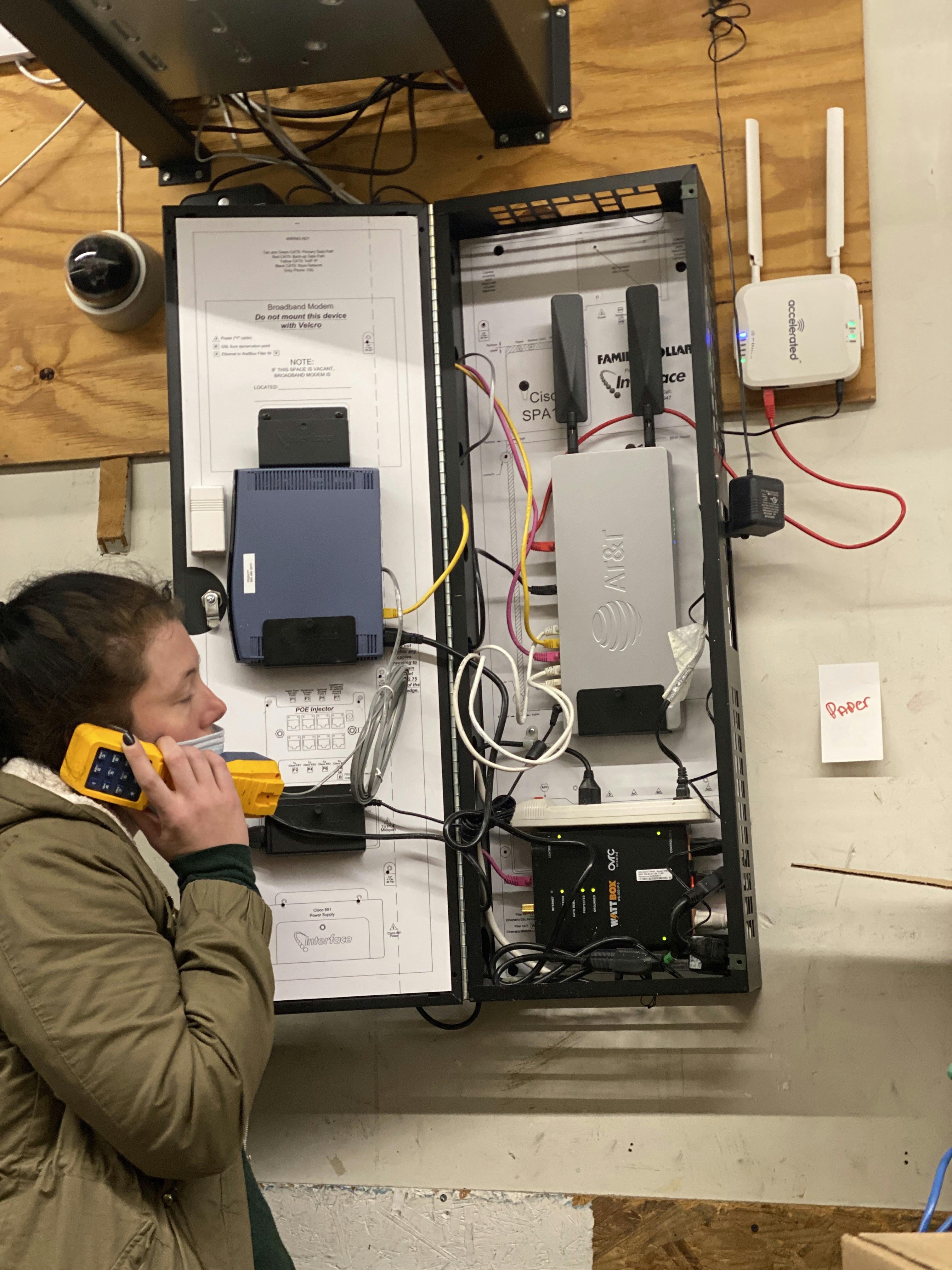
What is a Demarcation Point?
The term ‘demarcation point,’ commonly abbreviated as DP, is integral to networking as it pertains to the physical interface between two networks. In the context of telecommunications, the DP serves a crucial role, marking the boundary where the telecommunication carrier’s infrastructure connects to the customer’s internal network. Essentially, this point delineates responsibility for the managed network; anything beyond the DP falls under the jurisdiction of the customer, while everything on the other side is managed by the service provider.
Establishing a demarcation point is not arbitrary. It is established according to specific guidelines that consider the operational needs of both the telecommunications provider and the customer. This standardized location aids in clear accountability, which is essential for maintenance, troubleshooting, and operational efficiency.
Maintaining the integrity of the demarcation point is vital for uninterrupted network service. Telecommunications carriers often have policies regarding the maintenance of DPs to ensure continuity and service quality. This maintenance typically includes regular inspections and functionality tests to identify and rectify any potential issues that may affect connectivity. Moreover, proper management of the DP is essential not only for resolving service disruptions but also for enhancing security, as it effectively segregates network traffic and limits exposure to outside elements.
A well-defined demarcation point provides clarity in roles, ensuring that both parties understand their responsibilities in maintaining network continuity. Therefore, the DP is not merely a technical specification; it is foundational in fostering an effective and reliable networking environment, especially in a community like Tularosa, New Mexico, where robust connectivity is increasingly vital for both residential and business domains.
The Role of the Demarcation Point in Networking
The demarcation point, often referred to as the “demarc,” plays a vital role in networking by serving as the physical or logical boundary between entities, such as a service provider and the end user. This designated location serves multiple purposes that encompass fault isolation, service differentiation, and the overall performance and reliability of a network.
One of the primary functions of a demarcation point is fault isolation. By defining a clear boundary, network operators can easily determine where issues arise—whether from the end user’s equipment or the service provider’s infrastructure. This partitioning simplifies troubleshooting processes and minimizes downtime, which is essential for maintaining an efficient network. Effective fault isolation also enhances communication between service providers and consumers, as it facilitates quicker responses to network-related issues.
Additionally, the demarcation point enables service differentiation. Different services may utilize various network technologies, and the demarc allows for the integration of multiple services without conflict. For instance, a customer might contract for internet service, VoIP, or other data services, each with its set of requirements and performance metrics. By ensuring that these services are managed at their respective points, the reliability of each service can be maintained independently, thereby optimizing customer satisfaction.
Moreover, the placement of the demarcation point can significantly influence the overall reliability and performance of a network. A strategically located demarc can reduce latency and enhance data transfer speeds, ensuring that the end user’s experience remains smooth and effective. Thus, understanding the significance of the demarcation point in networking is essential for both service providers and consumers striving for optimum connectivity and service quality.
Why the Demarcation Point Matters in Tularosa
The concept of a demarcation point (DP) serves as a pivotal aspect of networking, particularly in areas like Tularosa, New Mexico. The significance of the demarcation point extends beyond merely being a technical definition; it encompasses the very framework supporting the local telecommunications infrastructure. In Tularosa, understanding this point becomes essential for both residents and businesses striving to optimize their network services.
In many regions, including Tularosa, the DP often signifies the threshold where the responsibility for a network connection shifts from the service provider to the end-user. This distinction underscores the need for local stakeholders to comprehend the network topology, helping them make informed decisions regarding service upgrades or troubleshooting strategies. Businesses that grasp the implications of this transition can better manage their connectivity needs, ensuring a reliable flow of communication and data.
Moreover, Tularosa faces unique networking challenges due to its geographical context and population density. The town’s infrastructure may not always keep pace with technological advances, posing potential obstacles in establishing robust connections. Therefore, recognizing where the demarcation point lies can help residents and businesses identify limitations in service, as well as areas for improvement. Addressing these issues can lead to enhanced collaboration between service providers and the local community, fostering a more efficient and resilient networking environment.
As the demand for reliable internet and telecommunications services continues to grow, the demarcation point remains a critical factor in ensuring quality connectivity in Tularosa. Awareness of how it affects service delivery can empower individuals and businesses alike, driving technological growth and improving overall quality of life.
Demarcation Point Setup and Standards
In Tularosa, New Mexico, establishing a demarcation point (DP) is governed by a series of best practices and regulatory guidelines that ensure optimal functionality and compliance within network infrastructures. A demarcation point serves as a key interface between a telecommunications provider’s network and the customer’s internal wiring system. Consequently, understanding the setup standards is crucial for telecommunication professionals, as well as for businesses and residents relying on these essential services.
The Federal Communications Commission (FCC) plays a fundamental role in establishing regulations that affect demarcation points, ensuring they meet specific standards to safeguard customer connections. These regulations stipulate the physical location of the DP, which should ideally be positioned in a readily accessible area to facilitate service maintenance and upgrades. Moreover, installation practices are generally required to follow the Telecommunications Industry Association (TIA) standards, focusing on reliability and ease of access.
In addition to federal guidelines, local regulations may also apply in Tularosa. It is advisable for installers to be familiar with local building codes, which can influence the materials used and the installation techniques chosen. By adhering to both federal and local standards, service providers can ensure a consistent quality of service while minimizing operational disruptions for end-users.
Furthermore, utility companies in Tularosa often have specific requirements regarding the wiring and equipment used within their demarcation points. Understanding these requirements helps in aligning customer expectations with service capabilities. By ensuring that all installations adhere to established guidelines, telecommunications firms can better serve their customers and contribute to a robust communication infrastructure.
Common Issues Related to Demarcation Points
Demarcation points serve as crucial components in networking infrastructure, especially in areas like Tularosa, New Mexico, where both residential and commercial users rely heavily on connectivity. However, several common issues can arise at these points, leading to inconvenience and disruption of services.
One of the primary challenges experienced at demarcation points is connectivity issues. These problems may manifest as slow internet speeds, intermittent connections, or complete outages. Such connectivity disruptions can have significant ramifications for businesses, potentially leading to lost revenue and frustrated customers. Residential users may also face difficulties, particularly if they work from home or depend on internet services for entertainment and communication.
An additional concern involves maintenance difficulties. Regular maintenance is essential to ensure the proper functioning of equipment located at demarcation points. In Tularosa, limited access to skilled technicians can pose a challenge, as timely repairs may not be readily available. Without proper maintenance, the risk of equipment malfunction increases, further compounding connectivity issues.
Furthermore, the impact of these challenges extends beyond immediate connectivity concerns. For businesses, consistent network failures can hinder productivity and may cause financial strain. Home users, particularly those without alternative internet options, may experience significant disruption in their daily activities. Therefore, it is imperative to address these issues proactively and work towards establishing reliable solutions that minimize downtime.
In conclusion, understanding the common issues related to demarcation points is essential for both residential and commercial users in Tularosa. By recognizing potential connectivity and maintenance challenges, stakeholders can implement effective strategies to mitigate these problems, ensuring a stable and reliable network infrastructure.
Best Practices for Managing Demarcation Points
Demarcation points serve as crucial intersections in telecommunications and networking, delineating the boundary between the service provider’s network and the end user’s infrastructure. To ensure effective management and maintenance of these points, implementing best practices is essential. Regular routine inspections are fundamental in identifying potential issues before they escalate into serious problems. Inspections should include checking for deterioration of infrastructure, verifying connections, and ensuring that no physical damage has occurred to the hardware involved.
A well-organized documentation process should accompany these inspections. Keeping accurate records of maintenance activities, inspection results, and any issued tickets related to the demarcation points allows for better management over time. This documentation can also serve as an invaluable reference for troubleshooting any issues that may arise. Additionally, it promotes accountability and aids in identifying patterns that could suggest recurring problems.
When it comes to troubleshooting common issues related to demarcation points, having a clear understanding of the equipment and connections involved is crucial. Common troubleshooting steps may include verifying connectivity, testing signal strength, and checking power supply. It is also advisable to establish a quick reference guide for technicians, outlining procedures to follow when dealing with typical issues. This guide can facilitate quicker resolutions and mitigate downtime.
Furthermore, ensuring that there is proper labeling and clear signage around demarcation points can help prevent mishaps during maintenance activities. This practice not only enhances safety but also promotes efficiency by allowing technicians to quickly identify the components they need to work with. In summary, the effective management of demarcation points in networking environments is essential for maintaining connectivity and supporting overall network performance. By adhering to these best practices, organizations can ensure that their demarcation points remain functional and efficient.
The Future of Demarcation Points in Tularosa’s Networking Landscape
The demarcation point plays a crucial role in the networking architecture of Tularosa, New Mexico, acting as the boundary between the service provider’s infrastructure and the customer’s network. As technology continues to evolve, significant advancements loom on the horizon that could reshape this vital component of telecommunications in the region.
One of the most prominent trends is the widespread adoption of fiber optic technology. The installation of fiber optics allows for higher bandwidth capacities and improved data speeds compared to traditional copper lines. As more residents and businesses in Tularosa require faster and more reliable internet connections, the presence of fiber optics will enhance the strength of demarcation points. This technology will not only enable quicker service deployment but also facilitate superior customer service through enhanced connectivity options.
Moreover, the rise of 5G technology stands to revolutionize the networking landscape further. With 5G’s capability to support a greater number of simultaneous users and offer ultra-low latency, the demand for upgraded and strategically placed demarcation points will likely increase. As mobile devices proliferate and Internet of Things (IoT) applications expand, Tularosa will need adequate infrastructure to accommodate this growth, ensuring seamless connectivity for both individuals and businesses alike.
Improving overall network reliability will remain a priority for local service providers. Investments in redundancy and diversifying routing paths can enhance the performance of demarcation points, minimizing downtime and service interruptions. As municipalities like Tularosa focus on digital transformation, addressing infrastructure challenges will be imperative in integrating these technological advancements into existing frameworks.
In conclusion, the future of demarcation points in Tularosa’s networking landscape will be influenced by technological advancements such as fiber optics and 5G. As these changes occur, embracing improvements in infrastructure and connectivity will be essential for supporting the region’s growing digital needs.
Case Studies: Successful Networking Solutions in Tularosa
The demarcation point serves as a vital junction in networking infrastructures, separating the responsibility of service providers and customers. In Tularosa, New Mexico, effective management of this pivotal point has demonstrated significant benefits, particularly for local businesses seeking to enhance their networking capabilities.
One notable example involves a local healthcare facility that faced persistent issues with connectivity. By working closely with their telecom provider, they established a clear demarcation point which streamlined maintenance and troubleshooting processes. This allowed for quicker response times when outages occurred, ultimately ensuring that critical healthcare services remained uninterrupted. With precise management at the demarcation point, the facility not only improved its connectivity but also increased confidence among patients and staff regarding the reliability of its services.
Another case involved a retail business in Tularosa that had previously struggled with inconsistent internet service that hampered operations. By engaging in discussions with their internet service provider (ISP), they reached an agreement to restructure their demarcation point. This included installing new infrastructure and optimizing the existing layout, which resulted in enhanced speed and stability of their internet connection. The business reported a marked increase in customer engagement as online services became more accessible, ultimately leading to higher sales.
Furthermore, a cooperative effort between local government and telecom providers highlighted the importance of a well-managed demarcation point in enhancing community welfare. By establishing shared access points in public areas, the community improved access to high-speed internet for education and local businesses. This collaboration underscored how strategic demarcation point management can lead to widespread benefits, providing a framework for similar initiatives across New Mexico.
Through these examples, it is evident that effective management of demarcation points not only bolsters individual enterprise networking solutions but also catalyzes broader community advancements in Tularosa.
Conclusion: The Importance of Understanding DPs for Tularosa Residents and Businesses
Understanding demarcation points (DPs) is crucial for both residents and businesses in Tularosa, New Mexico. As networking plays an integral role in modern connectivity, the significance of DPs cannot be overstated. These points serve as the boundary between the service provider’s infrastructure and the customer’s internal network. Grasping the concept of the demarcation point enables individuals and organizations to make informed decisions regarding their networking setups and maintenance.
For businesses in Tularosa, a thorough comprehension of DPs leads to enhanced efficiency in troubleshooting connectivity issues. Since DPs delineate the responsibilities of the service provider and the end-user, understanding this concept can mitigate disputes and facilitate smoother communication when technical problems arise. As such, businesses that prioritize this knowledge can establish stronger relationships with their service providers, ensuring that their networking needs are met promptly and effectively.
Additionally, residents of Tularosa can benefit from understanding demarcation points. This knowledge empowers individuals to manage their home networks better and aids in identifying potential issues that could interfere with their internet connectivity. By recognizing the significance of DPs, residents can be proactive rather than reactive in addressing networking problems, ultimately enhancing their overall experience.
In conclusion, the importance of understanding demarcation points extends beyond technical jargon; it is a vital aspect of effective network management for both residents and businesses in Tularosa. Gaining a comprehensive understanding of DPs allows individuals to take charge of their networking environments, leading to improved performance, satisfaction, and seamless connectivity in today’s digital landscape.