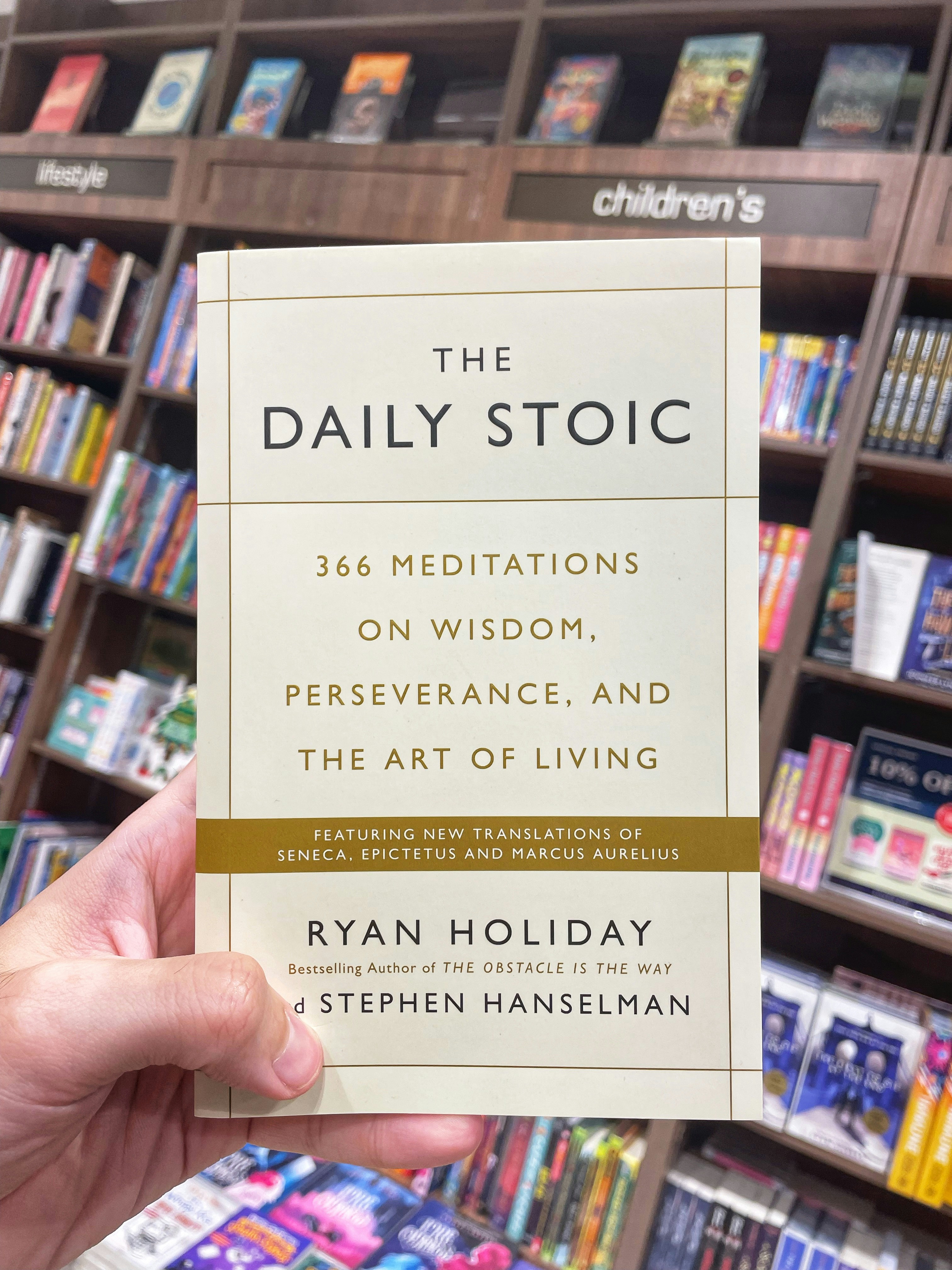
Understanding Stoicism: Philosophy and Principles
Stoicism, an ancient Greek philosophy founded in Athens in the early 3rd century BC, offers profound insights into self-control, virtue, and emotional resilience. Prominent Stoic philosophers such as Seneca, Epictetus, and Marcus Aurelius have significantly shaped the core tenets of this philosophy, which remains relevant in contemporary society and can be particularly beneficial in the context of business decision-making.
At its core, Stoicism advocates for the cultivation of personal virtues, emphasizing the importance of wisdom, courage, justice, and temperance. These virtues serve as the guiding principles through which individuals can navigate the complexities of life, including the challenges faced in the business world. By prioritizing virtue, Stoics believe that individuals can align their actions with their moral values, leading to more fulfilling and ethically grounded decisions.
Wisdom, as interpreted by Stoics, involves understanding the world as it is, distinguishing between what is within our control and what is not. This principle empowers business leaders to focus on their actions and responses rather than external circumstances, fostering a sense of agency and clarity. Self-awareness and critical reflection are intrinsic to this process, enabling individuals to respond thoughtfully rather than react impulsively.
Emotional resilience, another fundamental principle of Stoicism, teaches individuals to manage their emotions effectively. By practicing techniques such as negative visualization and mindfulness, one can prepare for potential setbacks and maintain composure in the face of adversity. This mental fortitude is crucial in high-pressure business environments, where effective decision-making and leadership are paramount to success.
In summary, the teachings of Stoicism offer valuable guidance for individuals seeking to achieve success in their personal and professional lives. The philosophy encourages the development of virtuous character, emphasizes the importance of wisdom, and fosters emotional resilience, providing a comprehensive framework for navigating the intricacies of life and work.
Stoicism and Emotional Resilience
In the fast-paced environment of modern business, emotional resilience plays a crucial role in determining success and well-being. Stoicism, an ancient philosophy, provides practical techniques that help individuals cultivate resilience, manage stress, and maintain focus in the face of challenges. By fostering a mindset grounded in rational thinking and emotional control, Stoicism equips business professionals with the tools necessary to navigate the complexities of their roles.
One of the core tenets of Stoicism is the distinction between what is within our control and what is not. This awareness allows individuals to direct their efforts toward actionable aspects of their situations while letting go of the anxiety associated with uncertainties. By focusing on responses to adverse circumstances rather than the circumstances themselves, business leaders can alleviate feelings of stress and anxiety. This approach encourages a proactive attitude rather than a reactive one, ultimately leading to improved decision-making and performance.
Another fundamental Stoic practice is the exercise of negative visualization, where individuals consciously contemplate potential setbacks or losses. This technique prepares them mentally for adverse outcomes, reducing shock and emotional pain when faced with difficulties. Embracing failure as a learning opportunity rather than a setback aligns with Stoic ideals, promoting a growth mindset. By recognizing that every challenge can be a source of wisdom, professionals build the resilience needed to thrive in high-pressure environments.
Finally, the practice of mindfulness, although often associated with modern wellness trends, has strong roots in Stoicism. By training oneself to remain present and fully engaged, individuals can minimize the impact of emotional turbulence that arises from past regrets or future worries. This mindfulness fosters not only mental clarity but also enhances productivity and creativity, essential elements for business success. Thus, incorporating Stoic principles into daily routines can significantly contribute to emotional resilience, ultimately leading to a healthier and more productive work environment.
Making Rational Decisions: A Stoic Approach
In the fast-paced and often chaotic world of business, the ability to make rational decisions is paramount. Stoicism, an ancient philosophy that emphasizes reason and virtue, offers valuable insights that can enhance decision-making processes. By promoting a calm and collected mindset, Stoicism helps leaders navigate challenges without being overtaken by emotions.
The core tenet of Stoicism is the importance of distinguishing between what is within our control and what is not. This principle encourages business leaders to focus on their responses to situations rather than the situations themselves. For example, when facing a market downturn, a Stoic entrepreneur will assess the situation logically, identifying the variables they can influence, such as operational costs and customer engagement strategies, while accepting those they cannot control, such as external economic factors. This approach not only prevents impulsive reactions but also fosters a proactive mindset geared toward solutions.
Moreover, the practice of reflective thinking is central to Stoicism. Leaders can utilize techniques such as journaling or meditation to evaluate their thoughts and decisions critically. By regularly reflecting on past decisions and their outcomes, business leaders can cultivate a mindset geared towards continuous improvement. This self-awareness allows for clearer judgment in future situations. For instance, successful leaders who embody Stoic principles often analyze previous failures dispassionately, extracting lessons without dwelling on emotional fallout.
Real-life examples, such as the decisions made by leaders like Marcus Aurelius or modern entrepreneurs like Tim Ferriss, who advocate for Stoic methods, illustrate the effectiveness of this approach. By leveraging Stoicism’s emphasis on rational thinking, business leaders can enhance their decision-making capabilities, resulting in informed choices that align with long-term objectives. Ultimately, adopting a Stoic perspective not only fosters resilience but also lays the groundwork for sustainable business success.
Overcoming Adversity with Stoic Mindset
Adversity is an inherent aspect of the business landscape, often emerging in unpredictable ways. However, many successful business leaders have harnessed Stoic principles to navigate challenges and emerge stronger. A notable example is James Stockdale, a former prisoner of war who applied Stoicism during his captivity. He maintained that while he could not control his circumstances, he could control his responses to them. This mindset not only helped him endure suffering but also provided him with the resilience to lead effectively upon his release.
Another compelling case is that of Howard Schultz, the former CEO of Starbucks. Schultz faced numerous obstacles during the company’s early years, including financial difficulties and market skepticism. Embracing the Stoic belief of accepting hardships, he focused on what was within his control, such as enhancing product quality and fostering a positive company culture. Rather than allowing external pressures to dictate his actions, Schultz utilized these challenges as opportunities for innovation and growth.
In a similar vein, Indra Nooyi, the former CEO of PepsiCo, exemplifies how a Stoic mindset can transform adversity into a path for professional development. Nooyi encountered significant criticism when implementing health-focused product lines amidst strong opposition from traditionalists within the company. By internally focusing on her vision and the long-term benefits for consumers, she was able to navigate through this storm of criticism. Her experiences highlight the importance of maintaining clarity of purpose and employing Stoic acceptance of unavoidable difficulties.
These leaders’ experiences illustrate that adopting a Stoic mindset can significantly impact one’s approach to adversity. By accepting challenges as part of the journey, business leaders can cultivate the resilience necessary to adapt and thrive. Through the lens of Stoicism, adversity is not merely a setback, but rather a valuable opportunity for growth and a catalyst for lasting success in their organizations.
Embracing Change: A Stoic Perspective
In the realm of business, change and uncertainty are constants that professionals must navigate. Stoicism, an ancient philosophical school, offers valuable insights into embracing these challenges effectively. At its core, Stoicism teaches individuals to differentiate between what is within their control and what lies beyond it. This fundamental principle helps business leaders better manage their reactions to external circumstances, thereby fostering resilience.
By accepting the inevitability of change, Stoics encourage a proactive approach toward uncertainty. Instead of resisting new circumstances, business professionals can learn to adapt their strategies and expectations. This adaptability, honed through the practice of Stoic principles, allows leaders to innovate and respond constructively to shifting market dynamics. For instance, when faced with unexpected challenges, a Stoic leader can assess the situation critically, identifying what can be adjusted without becoming overwhelmed by anxiety.
Furthermore, the Stoic acceptance of external events plays a crucial role in mitigating stress. Recognizing that not every outcome can be controlled liberates business professionals from the weight of frustration and disappointment. This mental clarity fosters a culture of agility within teams, encouraging creative problem-solving and collaboration. Teams empowered by this Stoic perspective are more likely to explore innovative solutions, ultimately propelling the organization forward.
Incorporating Stoicism into a business context thus equips professionals with essential tools for resilience and creativity. The philosophy not only cultivates a mindset that embraces change but also inspires a proactive approach to opportunities and challenges alike. By embodying Stoic values, leaders can not only thrive amidst uncertainty but also inspire those around them to embrace change as a pathway to growth and success.
Ethical Leadership Through Stoicism
In the realm of contemporary business, ethical leadership has emerged as a pivotal element that not only influences organizational success but also nurtures a thriving workplace culture. Stoicism, an ancient philosophical school, offers profound insights into leading with integrity and ethical considerations. By deeply understanding and applying Stoic principles, leaders can not only enhance their decision-making capabilities but also inspire their teams.
Central to Stoicism is the concept of self-discipline and personal accountability. Leaders who embody these Stoic values create an environment where ethical behavior is paramount. Such leaders are resolute in their moral convictions and serve as role models for their employees. This “leading by example” approach resonates throughout the organization. Employees are more likely to align their actions with the ethical standards demonstrated by their leaders, fostering a culture of trust and mutual respect.
Moreover, Stoicism emphasizes the importance of focusing on what can be controlled while accepting what cannot. This mindset aids leaders in navigating the complexities of the corporate world with integrity. Challenging decisions and ethical dilemmas become opportunities to practice Stoic virtues such as courage, wisdom, and justice. Consequently, when leaders make informed and principled choices, they influence their team’s culture positively, enhancing overall employee engagement.
By integrating Stoic values into the corporate ethos, organizations can cultivate an environment that encourages open dialogue, personal responsibility, and ethical decision-making. This not only improves morale but also drives productivity. Employees who feel respected and valued are often more motivated, thereby enhancing performance and contributing to long-term success. Ethical leadership, as informed by Stoicism, ultimately leads to a sustainable business model that thrives on principles rather than merely profit.
Cultivating a Stoic Mindset in Teams
In the contemporary business landscape, fostering a Stoic mindset within teams is essential for achieving sustainable success. A Stoic approach emphasizes the importance of resilience, self-control, and rational decision-making, which can significantly enhance team dynamics and overall organizational performance. To cultivate such a mindset, leaders can implement several strategies that promote open communication and shared values.
First and foremost, establishing a culture of open communication is vital. Encouraging team members to express their thoughts and feelings helps to create an environment where individuals feel valued and empowered. Leaders should model this behavior by being transparent about their decisions, challenges, and expectations. This openness not only fosters trust but also aligns the team with the core values and objectives of the organization.
Another effective strategy is to facilitate regular discussions centered around Stoic principles. This could include hosting workshops or training sessions that explore topics such as emotional regulation, the dichotomy of control, and the significance of focusing on what can be influenced. By understanding and applying these concepts, team members will be better equipped to navigate challenges and setbacks, thereby enhancing their resilience.
Furthermore, implementing collective goal-setting can strengthen shared values within the team. When team members collaborate to define their objectives, they also develop a sense of ownership and accountability towards their roles. This collective approach cultivates unity and reinforces the notion that success is a shared endeavor, mirroring the Stoic belief in communal responsibility.
Lastly, promoting a mindset of continuous improvement is essential. Encouraging reflection on both individual and team performance allows members to learn from their experiences, fostering both personal growth and team development. Adopting practices like regular feedback sessions or retrospectives can provide valuable insights and reinforce the Stoic idea of self-awareness.
By implementing these strategies, organizations can successfully instill a Stoic mindset within their teams, enhancing their collective resilience and equipping them to tackle the complexities of the modern business environment.
Practical Stoicism: Techniques for Everyday Business Challenges
Implementing Stoic principles in the business environment can significantly enhance decision-making, emotional resilience, and stress management. Here are several practical techniques to cultivate a Stoic approach in daily business scenarios.
Mindfulness Exercises: Mindfulness is a core aspect of Stoicism that can help individuals remain present and focused. Practicing mindfulness enables business professionals to identify their thoughts and emotions without judgment. A useful exercise is to dedicate a few minutes at the beginning and end of each workday to engage in deep breathing or meditation. This pause allows for reflection and reduces impulsive reactions to stressors, fostering clearer thinking.
Daily Journaling: Journaling is a powerful tool for self-reflection and personal growth. In the context of Stoicism, journaling can help business professionals document their thoughts, experiences, and progress. A simple approach involves writing down three things that went well each day, alongside three challenges faced. This practice not only acknowledges successes but also enables individuals to consider how they might approach future challenges more effectively, embodying the Stoic virtue of resilience.
Daily Reflections: Setting aside time for daily reflection is another essential practice within Stoicism. At the end of each workday, take a moment to review what occurred. Reflect on the events that caused strong emotional reactions and assess whether those reactions aligned with your values and objectives. This process encourages a deeper understanding of oneself, suggesting ways to improve personal responses and align them with stoic principles.
In these ways, integrating mindfulness exercises, regular journaling, and reflective practices into daily routines can effectively enhance one’s application of Stoicism in business settings. Cultivating a Stoic mindset allows individuals to navigate the complexities of the professional landscape with poise and clarity.
Conclusion: The Impact of Stoicism on Long-Term Success
In this exploration of Stoicism and its application to business, we have seen how Stoic principles can profoundly influence decision-making and leadership. The essential tenets of Stoicism—such as emotional resilience, focus on what can be controlled, and an understanding of impermanence—are not only valuable in personal development but also crucial in fostering a sustainable business environment. By practicing the Stoic virtue of wisdom, leaders can navigate complex challenges with a clearer perspective, making informed choices that lead to lengthy results.
Moreover, the practice of self-reflection, another key aspect of Stoicism, empowers business professionals to learn from their experiences. This habit encourages a culture of continuous improvement, which is vital in today’s rapidly changing market. Adopting a Stoic mindset can result in a more proactive approach to challenges and opportunities alike. Recognizing that setbacks are part of the journey allows companies to pivot and adapt, maintaining their course toward long-term objectives.
Furthermore, the emphasis on ethical behavior in Stoicism supports building trust and integrity within teams and with clients. By valuing honesty and accountability, businesses can create a reputation that strengthens loyalty and fosters collaboration. The interconnectedness of Stoicism with sustainable business practices cannot be overstated, as these principles advocate for thoughtful and responsible growth.
Ultimately, as we reflect on the insights highlighted throughout this discussion, it becomes evident that incorporating Stoic philosophy into the business framework is not merely advantageous but imperative for enduring success. We encourage readers to explore Stoic principles in their professional lives, aiming for not just immediate gains, but lasting impacts that resonate well into the future.