Category: Technology

  • The Future Relevance of SIE Certification in the Crypto Space

    The Future Relevance of SIE Certification in the Crypto Space

    Understanding SIE Certification

    The Securities Industry Essentials (SIE) certification is an introductory-level credential designed for prospective securities industry professionals. It was developed by the Financial Industry Regulatory Authority (FINRA) to help enhance the knowledge and skills of individuals interested in pursuing a career in finance. The certification covers a broad array of topics essential to the financial services industry, including basic concepts of investing, knowledge of products and their risks, understanding of regulatory framework, and of the role of various financial institutions.

    The main purpose of the SIE certification is to equip candidates with fundamental industry knowledge and skills, thus preparing them for further qualifications in the securities sector. Unlike traditional licensing exams that require sponsorship from a FINRA member firm, the SIE allows individuals to take the exam independently, making it accessible to a wider pool of candidates. This feature is particularly beneficial for students, recent graduates, or any individuals entering the finance field who may not yet have secured employment in the industry.

    The exam consists of 75 multiple-choice questions, covering extensive topics that reflect the knowledge essential for a career in securities. Candidates are allowed one hour and forty-five minutes to complete the exam, with a passing scaled score of 70 or higher. The SIE certification is recognized by many employers in the financial services sector as a demonstration of a candidate’s commitment to understanding the industry and its regulations.

    Individuals who should consider obtaining the SIE certification include college students, recent graduates, and those looking to transition into financial careers. It serves as a valuable first step for those seeking employment in areas such as investment banking, financial planning, or brokerage services. By achieving this certification, candidates not only boost their competence but also enhance their attractiveness to potential employers in the competitive financial services industry.

    The Growing Importance of Cryptocurrency

    The cryptocurrency landscape has experienced significant upheaval since its inception, evolving into a prominent alternative asset class that has captured the attention of both retail and institutional investors. The increasing relevance of cryptocurrencies can be attributed to various factors, including the pursuit of diversification in investment portfolios, the quest for higher yields, and the growing acceptance of digital currencies within mainstream financial systems.

    Current trends indicate a substantial rise in the adoption of cryptocurrencies. Institutional investors, traditionally conservative in their approach, are now integrating digital assets into their investment strategies. Major financial institutions have begun to offer cryptocurrency-related services, further legitimizing the asset class. For example, investment firms are launching cryptocurrency funds, while banks are facilitating transactions and custody services for digital assets, allowing them to cater to the growing demand from clients who seek exposure to this new market.

    Moreover, retail investors are increasingly participating in the cryptocurrency market, driven by the potential for high returns and the technological appeal of blockchain. They are drawn by the ease of access to cryptocurrencies through various exchanges and investment platforms, which have simplified entry points for individuals wishing to invest in this burgeoning field. Social media platforms and online communities have also played a crucial role in demystifying cryptocurrencies, fostering a sense of community and shared knowledge among participants.

    As cryptocurrencies continue to gain traction, they are also influencing traditional financial systems in profound ways. Blockchain technology, the underlying framework for most cryptocurrencies, offers transparency, security, and efficiency in transactions. Traditional financial institutions are exploring ways to integrate blockchain solutions to streamline their operations and enhance customer experience.

    Overall, the growing importance of cryptocurrency reflects a broader shift in the investment paradigm, highlighting the need for financial professionals to adapt and consider the implications of this new asset class on their strategies and practices.

    The Relationship Between SIE Certification and Cryptocurrency

    The Securities Industry Essentials (SIE) certification serves as an introductory credential that is vital for individuals aiming to establish a career in the financial services sector, a field that is increasingly interwoven with cryptocurrency. One of the primary advantages of obtaining the SIE certification is the comprehensive understanding it imparts regarding the intricacies of the financial markets. This knowledge lays a strong foundation for those aspiring to venture into crypto-related roles.

    By completing the SIE certification, candidates acquire essential skills, such as an understanding of market dynamics, financial products, and regulatory frameworks. These skills are not only applicable to traditional financial settings but also extend to the burgeoning world of cryptocurrencies. For instance, the principles of market analysis learned through the SIE can be beneficial when assessing the volatility and trends prevalent in the cryptocurrency market.

    Moreover, the SIE certification emphasizes the importance of regulatory compliance, which is particularly crucial in the crypto space. As governments and regulatory bodies around the world begin to implement comprehensive frameworks governing cryptocurrencies, having a solid grasp of compliance and regulations is essential for professionals in this field. The SIE program equips individuals with the knowledge necessary to navigate these regulatory landscapes effectively.

    Additionally, the SIE certification develops analytical and critical-thinking skills that are vital for success in any financial role, including those that focus on cryptocurrency. The ability to analyze complex data and make informed decisions is especially important in a market characterized by rapid innovation and frequent fluctuations.

    In conclusion, the SIE certification acts as a bridge for individuals looking to transition into a career that encompasses both traditional finance and emerging sectors like cryptocurrency. The skills acquired through this certification provide a robust framework for understanding and engaging with the complexities of the crypto landscape, making it an invaluable asset for aspiring professionals in this domain.

    Regulatory Landscapes: Why Certification Matters

    The rapidly evolving landscape of cryptocurrency trading and advising necessitates a robust understanding of regulatory frameworks. As digital currencies gain traction in mainstream finance, the compliance requirements for professionals within this sector have become increasingly stringent. Regulation is essential in mitigating risks associated with cryptocurrencies, including fraud, market manipulation, and money laundering. Consequently, individuals pursuing careers in digital assets must be well-versed in the regulatory mechanisms established by authorities such as the Securities and Exchange Commission (SEC) and the Financial Industry Regulatory Authority (FINRA).

    The Securities Industry Essentials (SIE) certification emerges as a vital tool for individuals looking to navigate this complex regulatory environment. The SIE certification not only equips professionals with foundational knowledge about securities products and their workings but also emphasizes the regulatory responsibilities associated with trading and advising. With a focus on ethical practices and compliance, the certification strengthens an individual’s ability to address regulatory concerns effectively, thus fostering trust among clients and stakeholders.

    Moreover, possessing an SIE certification enhances a professional’s credibility in an industry still grappling with skepticism. As cryptocurrency regulations continue to evolve, those certified are likely to stand out in the job market, demonstrating their commitment to upholding the regulatory standards set forth by governing bodies. Understanding compliance requirements and demonstrating a readiness to adapt to regulatory changes positions certified professionals as valuable assets to firms operating within the crypto space. This adaptability is crucial because as governments around the world introduce new legislation regarding digital currencies, the ability to respond and operate within these frameworks will determine the success of the investments and advice provided by these professionals.

    The Skill Gap in the Crypto Workforce

    The rapid evolution of the cryptocurrency sector is creating a significant skill gap within the workforce. As the field expands, traditional financial roles are being redefined and new positions are emerging that necessitate a specialized understanding of decentralized finance, blockchain technology, and digital assets. Many current professionals in finance, technology, and related fields struggle to keep pace with these advancements, often lacking the requisite knowledge or skills to effectively engage with the latest developments.

    Organizations operating within the cryptocurrency market are increasingly seeking individuals who not only possess foundational financial knowledge but also have a strong grasp of the underlying technologies and regulatory landscapes affecting cryptocurrencies. This situation has highlighted the urgent need for training and educational programs that can equip new entrants to the market and upskill existing professionals. The rise of various roles, such as blockchain developers, cryptocurrency analysts, and compliance experts, further underscores the necessity for specialized qualifications.

    The Securities Industry Essentials (SIE) certification has emerged as a pertinent solution to address this growing skill gap. This certification covers fundamental concepts important for understanding the infrastructure and operations in the finance and cryptocurrency domains. By earning an SIE certificate, candidates not only demonstrate their commitment to learning but also gain proficiency in key areas that are increasingly relevant in the crypto landscape. Those certified are better positioned to grasp complex financial products and to adapt to the fast-paced changes driven by technological innovation.

    In alignment with this trajectory, educational institutions and training organizations are recognizing the significance of integrating cryptocurrency-related syllabi into their programs. This evolution is essential for nurturing a skilled workforce capable of meeting future demands. The SIE certification can serve as a crucial stepping stone for individuals pursuing careers in this evolving sector, ensuring they are adequately prepared for the challenges ahead.

    Employability and Career Growth Opportunities

    The SIE (Securities Industry Essentials) certification has emerged as a pivotal asset for individuals aspiring to build a career in the burgeoning crypto space. As the sector evolves, the demand for professionals equipped with a robust understanding of financial principles, regulations, and market dynamics becomes ever more pronounced. This certification not only validates one’s competence but also cultivates a competitive edge in an increasingly crowded job market.

    Incorporating the SIE certification into one’s professional portfolio can open a plethora of career paths within the crypto industry. Crypto exchanges, blockchain technology firms, and financial advisory services are on the lookout for candidates who are well-versed in compliance, risk management, and investment strategies. For example, entry-level positions such as compliance analysts or client service representatives in these organizations often prefer or require candidates to possess the SIE certification, as it demonstrates a foundational knowledge of the industry.

    Moreover, the presence of the SIE certification can significantly enhance job security and advancement potential. It signifies to employers a commitment to personal development and regulatory understanding, attributes that are highly valued as companies navigate the increasingly complex landscape of cryptocurrency regulations and market volatility. Professionals equipped with an SIE certification can find themselves in a better position for salary negotiations, promotions, and roles that offer more responsibility.

    Beyond initial entry-level roles, the SIE certification can facilitate career advancement into higher-level positions within the organizations, such as compliance officer, portfolio manager, or investment advisor. As professionals leverage the knowledge gained through the SIE certification, they are not only better equipped to tackle challenges but also positioned to seize opportunities in an industry that continues to expand and innovate.

    In conclusion, obtaining the SIE certification presents a strategic advantage for individuals seeking to maximize their employability within the crypto sector. With its potential to increase job security and promote career growth, this certification can be a valuable step toward a successful and sustainable career in a dynamic field.

    Future Trends in Crypto and Financial Services

    The landscape of cryptocurrency and the financial services industry is in a constant state of evolution. As technological advancements continue to emerge, the necessity for adaptability and foresight becomes increasingly vital. Future trends are expected to focus on enhanced regulations, integration of artificial intelligence, and the rise of decentralized finance (DeFi) platforms. These trends indicate a transformative period where the lines between traditional finance and cryptocurrency are progressively blurring.

    One of the most significant anticipated trends is the maturation of regulatory frameworks surrounding cryptocurrencies. Governments and regulatory bodies are beginning to recognize the importance of establishing clear guidelines and standards to promote safety and consumer trust. This will not only protect investors but also streamline the operations of financial institutions that are integrating crypto solutions. Consequently, financial professionals will need to stay informed about these regulations and potentially consider obtaining relevant certifications to bolster their credibility.

    In addition to regulatory advancements, innovations such as blockchain technology are set to enhance transparency and security within the financial services sector. The emergence of smart contracts can automate and enforce agreements in a decentralized manner, minimizing the reliance on intermediaries. As these technologies develop, financial professionals will increasingly require certifications that underscore their expertise in blockchain applications and their implications on traditional financial practices.

    Moreover, the rise of DeFi platforms presents new opportunities and challenges for stakeholders in the financial ecosystem. These platforms provide unprecedented access to financial services and products without intermediaries. This shift emphasizes the importance of acquiring certifications to understand the risks and benefits associated with decentralized finance. The ability to navigate these developments will be crucial for professionals aiming to maintain relevance in an industry marked by rapid change.

    Ultimately, as cryptocurrency continues to integrate more deeply into the fabric of financial services, ongoing education and certification will serve as essential tools for professionals to adapt and thrive in this evolving landscape.

    Personal Growth and Professional Development

    Obtaining an SIE (Securities Industry Essentials) certification is a pivotal step for individuals aspiring to thrive in the fast-evolving crypto space. Not only does this certification delve into the fundamentals of securities and investment strategies, but it also plays a significant role in personal growth and professional development. Gaining an SIE certification equips individuals with essential knowledge regarding the market mechanics and operational aspects of the financial industry.

    A fundamental aspect of the certification process is the confidence it instills in candidates. As individuals navigate through the curriculum, they acquire a deeper understanding of critical concepts such as regulatory frameworks, products and risks, and market structures. This advancement in knowledge not only bolsters self-assurance but also empowers individuals to effectively engage with peers and stakeholders within the crypto domain.

    Furthermore, the pursuit of the SIE certification fosters a commitment to continuous learning and professional growth. Candidates often find themselves motivated to explore various aspects of the financial industry, cultivating skills that are transferable to different roles. The SIE certification serves as a testament to one’s dedication to personal development, signaling to potential employers a proactive approach to career advancement.

    In addition, the rigorous preparation required to achieve the certification can enhance critical thinking and analytical skills. Engaging with complex financial concepts and real-world applications encourages individuals to adopt a strategic mindset. Such skills are increasingly valuable in the crypto landscape, where navigating volatility and understanding emerging technologies are paramount.

    Conclusively, the SIE certification offers not only knowledge but fosters confidence and critical thinking. As individuals grow both personally and professionally through this certification, they are better equipped to navigate the challenges and opportunities that the crypto space presents.

    Conclusion: Embracing Change in Finance

    As the financial landscape continues to transform at an unprecedented pace, it becomes crucial for professionals within the finance sector to equip themselves with relevant knowledge and skills. The Securities Industry Essentials (SIE) certification stands out as a pivotal educational tool designed to prepare individuals for the complexities of modern finance, particularly in the ever-evolving cryptocurrency arena. In embracing this certification, individuals are not merely enhancing their resumes; they are proactively positioning themselves to navigate the innovative shifts occurring within financial markets.

    The importance of the SIE certification extends beyond traditional finance, as it increasingly incorporates aspects of cryptocurrency, blockchain technology, and other digital assets. This program provides foundational insights that empower candidates to understand the dynamics of both conventional securities and the burgeoning crypto space. As cryptocurrencies gain traction, having a solid understanding of these assets will be imperative for any financial professional aspiring to thrive in this environment.

    Moreover, the SIE certification fosters a culture of continuous learning and adaptability—key traits for those looking to succeed in finance. Professionals who commit to obtaining the SIE certification demonstrate a proactive approach to professional development. This commitment is not only beneficial for individual career trajectories but also supports the broader evolution of financial practices as more institutions gravitate towards incorporating cryptocurrency into their services.

    In conclusion, embracing the SIE certification is an essential step for finance professionals who wish to remain relevant in an ever-changing industry. As cryptocurrency and other innovations reshape the financial landscape, aligning oneself with the principles and knowledge offered through the SIE certification will pave the way for increased opportunities and sustainable success in the future of finance.

  • The Impact of CDNs on SEO Timing and Overall Ranking

    The Impact of CDNs on SEO Timing and Overall Ranking

    Understanding Content Delivery Networks (CDNs)

    Content Delivery Networks (CDNs) are a crucial component in the landscape of modern web infrastructure. They are designed to enhance the accessibility and performance of websites by distributing the delivery of content across multiple servers strategically located around the globe. This approach significantly reduces latency, meaning that users experience faster load times, which is essential for both user satisfaction and search engine optimization.

    The primary function of a CDN is to store cached versions of static content, such as images, videos, stylesheets, and JavaScript files, on servers that are closer to the users’ geographic locations. When a user requests content from a website, the CDN serves the data from the nearest server rather than the origin server. This geographical advantage leads to quicker data retrieval and a decrease in the time it takes for a page to load.

    CDNs operate by utilizing a series of interconnected servers known as edge servers. These servers are strategically positioned in various data centers around the world, each capable of delivering content swiftly to nearby users. When a user initiates a request, the CDN determines the most optimal server to retrieve the content from, based on proximity and server load. By distributing traffic across numerous servers, CDNs also help mitigate issues related to heavy traffic, which can overwhelm a single server. Moreover, they provide added resilience against hardware failures and cyber threats, such as Distributed Denial of Service (DDoS) attacks.

    Overall, the implementation of CDNs is instrumental in improving overall web performance, reducing bandwidth costs, and providing a seamless experience for users accessing content from various locations. By enhancing content delivery speeds and reliability, CDNs play a vital role in shaping the digital landscape, making them indispensable for businesses seeking to optimize their online presence.

    How CDNs Improve Website Speed

    A Content Delivery Network (CDN) plays a crucial role in enhancing website speed, a critical factor for user experience and search engine optimization. By distributing content across a network of geographically dispersed servers, CDNs ensure that user requests are routed to the closest server. This proximity significantly reduces latency, allowing users to access content more rapidly than they would from a single, centralized server.

    One of the primary functions of a CDN is to cache content, which refers to storing copies of files such as images, videos, and static HTML pages on multiple servers worldwide. When a user visits a website, rather than fetching the content from a distant server, a CDN can deliver it from a nearby location. This process minimizes the distance data must travel, which directly correlates with faster load times. Enhanced caching strategies also mean that repeated requests for the same data are fulfilled more quickly, further optimizing the overall website speed.

    Moreover, CDNs effectively manage user requests through intelligent routing protocols. By monitoring server performance and network conditions, they can dynamically adjust which server handles a specific request. This load balancing not only prevents any single server from being overwhelmed but also ensures that users experience minimal downtime. Additionally, CDNs leverage techniques such as content compression and minification. These methods reduce the size of data transmitted, leading to quicker load times without compromising on quality.

    Ultimately, utilizing a CDN translates into a swift loading experience, which is beneficial for user engagement. When visitors encounter fast-loading websites, they are likely to stay longer and explore further, positively influencing bounce rates and overall satisfaction. Therefore, the integration of CDNs is essential for websites aiming to optimize speed, drive user engagement, and improve overall performance in search results.

    The SEO Benefits of Faster Load Times

    In the realm of search engine optimization (SEO), the speed at which a website loads is critical. Numerous studies have established a direct correlation between faster loading times and improved website rankings in search engine results. Google’s algorithm, for instance, incorporates page speed as a ranking factor, indicating its substantial importance in determining a site’s visibility. Websites that load quickly not only enhance user experience but also attract higher traffic, leading to increased engagement.

    Fast loading times are paramount for user retention. Research shows that users are more likely to abandon a page that takes longer than three seconds to load. This phenomenon, often referred to as the bounce rate, is a critical metric in evaluating site performance. A high bounce rate negatively impacts SEO, as it can signal to search engines that the site does not meet user expectations. Conversely, websites that optimize loading times through methodologies such as Content Delivery Networks (CDNs) can significantly lower their bounce rates and keep visitors engaged longer.

    Moreover, the integration of CDNs plays a vital role in achieving faster load times. By distributing the content across various geographic locations, CDNs minimize the distance data must travel, thereby enhancing accessibility and performance. This not only translates to faster speeds but also ensures that users worldwide experience consistent loading times. Statistics suggest that even a one-second delay in loading time can result in a 7% reduction in conversions. Hence, optimizing load times through CDNs should be a priority for those looking to enhance their SEO strategies.

    In summary, the swift loading of web pages is a foundational element for successful SEO. The use of CDNs to optimize load times not only contributes to better search rankings but also fosters improved user experiences, retention, and overall site performance. Marketers and web developers must therefore prioritize speed enhancement techniques, recognizing their significant impact on achieving optimal search engine ranking outcomes.

    CDNs and Mobile SEO

    Content Delivery Networks (CDNs) play a crucial role in enhancing mobile site performance, an increasingly important factor in search engine optimization (SEO). With the ubiquity of mobile devices, ensuring fast loading times on these platforms is vital for maintaining user engagement and achieving higher search rankings. The integration of CDNs into mobile frameworks provides several advantages that can directly influence SEO outcomes.

    One of the primary benefits of CDNs is their ability to distribute static resources across a global network of servers. This minimizes the distance data must travel to reach mobile users, resulting in faster loading times. Given that Google considers page speed as a ranking factor, optimizing mobile site performance through CDN utilization can significantly boost search visibility. Moreover, CDNs leverage adaptive bitrate streaming, which adjusts the quality of video content based on the user’s connection speed and device capabilities, ensuring a smooth playback experience even on slower mobile networks.

    Furthermore, many CDNs offer mobile-specific optimizations, such as image compression and responsive design techniques. These features reduce the amount of data transferred, enhancing load times and preserving bandwidth, which is particularly advantageous for users with limited data plans. Improved mobile usability not only contributes to better user experiences but also aligns with search engine algorithms that prioritize mobile-friendliness, leading to an increase in overall rankings.

    Additionally, CDNs help maintain site stability by mitigating traffic loads through distributed access points, thereby reducing downtime and server overloads that could otherwise impact mobile users. In the competitive landscape of mobile search, employing CDNs effectively can provide websites with a distinctive edge, improving not just performance metrics but also user satisfaction and engagement.

    Overall, the strategic deployment of a CDN can lead to remarkable improvements in mobile SEO, enhancing both site speed and user experience, which are critical determinants of search engine rankings.

    The Role of CDNs in Global SEO Strategies

    Content Delivery Networks (CDNs) have become increasingly vital in enhancing global SEO strategies, primarily due to their ability to optimize website performance across different geographical regions. An effective CDN functions by distributing content to numerous servers located around the world, which allows users to access data from a node that is geographically closer to them. This reduced latency is especially significant for websites with a global audience, as it leads to faster loading times and improved user experience.

    Faster access speeds not only benefit users directly, but they also positively impact search engine rankings. Major search engines, including Google, take page speed into account as a ranking criterion. Websites that load quickly tend to achieve better placement in search results. Consequently, by employing a CDN, businesses can enhance their website’s loading speed, which is crucial for sustaining user engagement and lowering bounce rates.

    Moreover, the utilization of CDNs can significantly improve website availability and reliability. In scenarios where high traffic arises, such as during promotions or events, a CDN helps manage the load by distributing requests across multiple servers. This distribution reduces the risk of server overload, ensuring that users worldwide can access the website without interruptions. Such consistency is a key factor in establishing a trustworthy online presence, influencing both user perception and SEO efforts.

    Additionally, CDNs often come equipped with systems for optimizing content delivery based on user behaviors and preferences. They enable businesses to glean insights into visitor statistics from various regions, ultimately fostering more tailored marketing strategies. This data can be invaluable for companies targeting specific markets, allowing them to refine their offerings and improve their position on international search engine result pages.

    In conclusion, the integration of CDNs into global SEO strategies markedly enhances a website’s accessibility and performance across different markets. This enhancement plays a crucial role in expanding a company’s reach and visibility, ultimately aiding in the pursuit of global success.

    Reduction of Server Load and Downtime

    Content Delivery Networks (CDNs) play a crucial role in optimizing the performance of websites, particularly in terms of reducing server load and minimizing downtime. By distributing content across multiple servers located in various geographical locations, CDNs alleviate the pressure that would otherwise be placed on a single origin server. This distribution not only enhances website speed and reliability but also ensures that users have a seamless experience, regardless of their physical location.

    When a website experiences high levels of traffic, the origin server can become overwhelmed, leading to slow load times or even downtime. Such occurrences can be detrimental to search engine optimization (SEO) as they negatively impact the user experience. Search engines, such as Google, prioritize websites that demonstrate stability and speed; therefore, a reliable performance is essential for maintaining and improving overall search rankings. A CDN helps in managing this workload effectively by caching content and serving it to users from the nearest edge location, thereby reducing the distance data must travel and increasing the speed at which it is delivered.

    Moreover, the presence of a CDN can significantly reduce downtime during peak traffic periods or unexpected surges in visitor numbers. When a website is equipped with a CDN, it can handle incoming requests more efficiently, as the traffic is distributed across multiple servers. This not only minimizes the risk of server overload but also enhances the overall resilience of the website. Consequently, a website that experiences consistent uptime is more likely to retain visitors and be favored by search engines for higher rankings.

    In conclusion, the implementation of a CDN offers a multitude of benefits, including the reduction of server load and downtime. A consistently performing website serves as a competitive advantage in the realm of SEO, as it leads to improved user experiences and fosters positive interactions, which are all critical components in achieving higher search engine rankings.

    Security Benefits of CDNs for SEO

    Content Delivery Networks (CDNs) offer significant security enhancements that can have a positive impact on search engine optimization (SEO) outcomes. One of the most critical threats that websites face today is Distributed Denial-of-Service (DDoS) attacks. CDNs mitigate this risk through advanced routing techniques and scalable infrastructure, which can absorb excessive traffic and prevent service disruption. By maintaining site uptime and performance, websites are better positioned in search engine rankings, revealing the interconnection between security and SEO.

    Another important aspect of CDN security is the incorporation of Secure Sockets Layer (SSL) encryption. By ensuring that data transmitted between the server and the user is encrypted, CDNs help protect sensitive information. This encryption not only builds user trust but also enhances a website’s authority in the eyes of search engines, as secure sites are prioritized in ranking algorithms. Therefore, adopting SSL through a CDN can substantially elevate a website’s credibility, promoting better SEO performance.

    Moreover, CDNs contribute to improved data privacy. Many providers implement comprehensive security measures, including firewalls and access controls, to protect user data from unauthorized access. This commitment to user privacy can significantly enhance a website’s reputation and trustworthiness, essential elements for achieving optimal SEO results. As search engines increasingly factor user experience and security into their ranking criteria, websites that prioritize these aspects via CDNs may see enhanced visibility and improved rankings.

    Implementing a CDN not only safeguards the technical aspects of web infrastructure but also enhances the overall user experience. As users increasingly seek secure browsing environments, websites that leverage CDN security features can foster greater trust, potentially leading to better engagement metrics. Increased engagement often correlates with improved SEO outcomes, highlighting how security measures directly influence search visibility.

    Implementing CDNs Correctly to Maximize SEO Benefits

    Content Delivery Networks (CDNs) play a crucial role in enhancing website performance and, consequently, search engine optimization (SEO). To leverage these advantages, it is essential to implement CDNs correctly. This involves several best practices that ensure both optimization of loading speeds and adherence to SEO principles.

    Firstly, proper configuration of the CDN is pivotal. Ensure that the CDN is set up to cache static content effectively while allowing dynamic content to be served directly from the origin server. This balance maximizes the speed for end users without compromising the integrity of search engine crawlers. Employing features such as gzip compression and minification will also significantly improve site performance, making it more appealing to search engines.

    Monitoring CDN performance is another key aspect. Regularly check metrics such as latency, uptime, and delivery speeds. Performance issues can negatively impact SEO, leading to decreased user satisfaction and increased bounce rates. Utilize analytics tools to track these metrics, allowing for timely adjustments and ensuring optimal performance that supports your SEO efforts.

    Compatibility with existing SEO assets is an equally important consideration. Ensure that your CDN works seamlessly with your content management system (CMS) and that it supports your SEO strategies, such as structured data and image optimization. It is also vital to manage your URLs properly when using a CDN to avoid duplicate content issues. Optimize your CDN settings to allow search engine bots access without distortion of the content they require for indexing.

    By adhering to these best practices, websites can harness the full potential of CDNs in improving load times and enhancing overall SEO rankings. A correctly implemented CDN can be a game-changer for websites looking to improve their online presence and visibility in search engine results.

    Case Studies: Success Stories from CDN Implementations

    Content Delivery Networks (CDNs) have transformed the way businesses manage their online presence, particularly in terms of Search Engine Optimization (SEO). Several organizations have leveraged CDNs to significantly enhance their website performance, leading to improved search rankings and user engagement. One compelling case is that of Netflix, which incorporates a vast CDN to deliver high-quality streaming content seamlessly. By distributing its data effectively across numerous locations, Netflix has not only improved the user experience by minimizing buffering times but has also experienced a notable increase in SEO performance due to faster page load speeds. Faster loading times are crucial for retaining users and achieving favorable search rankings.

    Another illustrative example comes from Shopify, an e-commerce platform that utilizes CDNs to ensure that its merchants’ websites load quickly worldwide. Shopify’s strategic use of CDN technology has enabled sellers to provide optimal site speeds, which directly correlates with reduced bounce rates and improved conversion rates. As a result, many Shopify stores have reported better visibility in search engine results, leading to increased traffic and higher sales.

    Additionally, a notable success story in the news industry is The Guardian. By implementing CDN solutions, The Guardian improved its website’s performance, especially during high-traffic events, such as breaking news. This capability not only ensured that users received timely content but also enhanced the site’s overall SEO strategy. As a result, The Guardian saw an increase in return visitors and higher engagement metrics, which are critical factors in Google’s ranking algorithms.

    These case studies underscore the significant impact that CDNs can have on SEO performance. By optimizing website speed, enhancing user experiences, and increasing the accessibility of content, businesses can not only rank higher in search results but also foster long-term growth and customer loyalty. Through these examples, it is evident that effective CDN implementation is a strategic advantage for those looking to improve their online presence.

  • Understanding the Demarcation Point in Tularosa, New Mexico: A Networking Essential

    Understanding the Demarcation Point in Tularosa, New Mexico: A Networking Essential

    What is a Demarcation Point?

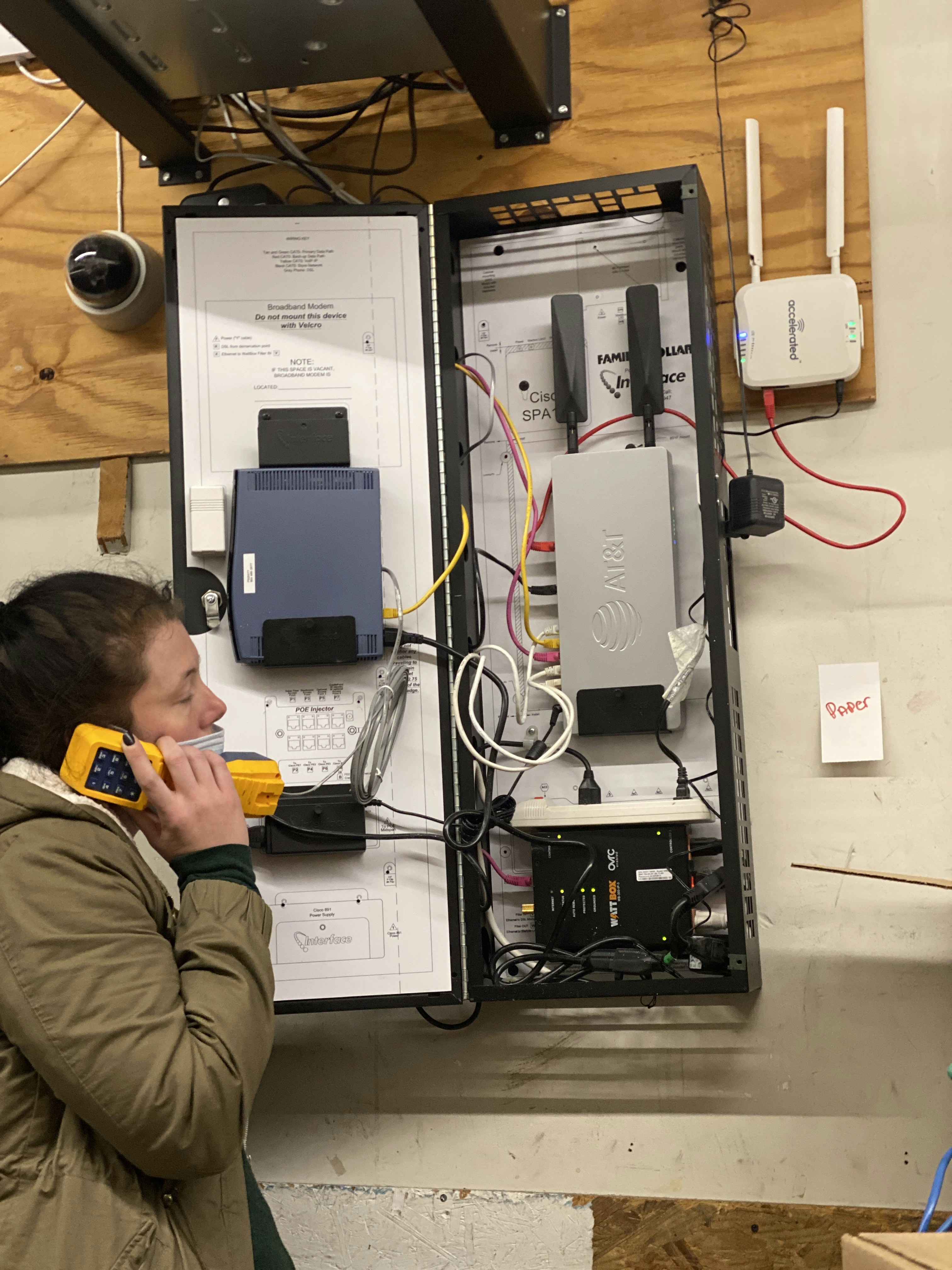
    The term ‘demarcation point,’ commonly abbreviated as DP, is integral to networking as it pertains to the physical interface between two networks. In the context of telecommunications, the DP serves a crucial role, marking the boundary where the telecommunication carrier’s infrastructure connects to the customer’s internal network. Essentially, this point delineates responsibility for the managed network; anything beyond the DP falls under the jurisdiction of the customer, while everything on the other side is managed by the service provider.

    Establishing a demarcation point is not arbitrary. It is established according to specific guidelines that consider the operational needs of both the telecommunications provider and the customer. This standardized location aids in clear accountability, which is essential for maintenance, troubleshooting, and operational efficiency.

    Maintaining the integrity of the demarcation point is vital for uninterrupted network service. Telecommunications carriers often have policies regarding the maintenance of DPs to ensure continuity and service quality. This maintenance typically includes regular inspections and functionality tests to identify and rectify any potential issues that may affect connectivity. Moreover, proper management of the DP is essential not only for resolving service disruptions but also for enhancing security, as it effectively segregates network traffic and limits exposure to outside elements.

    A well-defined demarcation point provides clarity in roles, ensuring that both parties understand their responsibilities in maintaining network continuity. Therefore, the DP is not merely a technical specification; it is foundational in fostering an effective and reliable networking environment, especially in a community like Tularosa, New Mexico, where robust connectivity is increasingly vital for both residential and business domains.

    The Role of the Demarcation Point in Networking

    The demarcation point, often referred to as the “demarc,” plays a vital role in networking by serving as the physical or logical boundary between entities, such as a service provider and the end user. This designated location serves multiple purposes that encompass fault isolation, service differentiation, and the overall performance and reliability of a network.

    One of the primary functions of a demarcation point is fault isolation. By defining a clear boundary, network operators can easily determine where issues arise—whether from the end user’s equipment or the service provider’s infrastructure. This partitioning simplifies troubleshooting processes and minimizes downtime, which is essential for maintaining an efficient network. Effective fault isolation also enhances communication between service providers and consumers, as it facilitates quicker responses to network-related issues.

    Additionally, the demarcation point enables service differentiation. Different services may utilize various network technologies, and the demarc allows for the integration of multiple services without conflict. For instance, a customer might contract for internet service, VoIP, or other data services, each with its set of requirements and performance metrics. By ensuring that these services are managed at their respective points, the reliability of each service can be maintained independently, thereby optimizing customer satisfaction.

    Moreover, the placement of the demarcation point can significantly influence the overall reliability and performance of a network. A strategically located demarc can reduce latency and enhance data transfer speeds, ensuring that the end user’s experience remains smooth and effective. Thus, understanding the significance of the demarcation point in networking is essential for both service providers and consumers striving for optimum connectivity and service quality.

    Why the Demarcation Point Matters in Tularosa

    The concept of a demarcation point (DP) serves as a pivotal aspect of networking, particularly in areas like Tularosa, New Mexico. The significance of the demarcation point extends beyond merely being a technical definition; it encompasses the very framework supporting the local telecommunications infrastructure. In Tularosa, understanding this point becomes essential for both residents and businesses striving to optimize their network services.

    In many regions, including Tularosa, the DP often signifies the threshold where the responsibility for a network connection shifts from the service provider to the end-user. This distinction underscores the need for local stakeholders to comprehend the network topology, helping them make informed decisions regarding service upgrades or troubleshooting strategies. Businesses that grasp the implications of this transition can better manage their connectivity needs, ensuring a reliable flow of communication and data.

    Moreover, Tularosa faces unique networking challenges due to its geographical context and population density. The town’s infrastructure may not always keep pace with technological advances, posing potential obstacles in establishing robust connections. Therefore, recognizing where the demarcation point lies can help residents and businesses identify limitations in service, as well as areas for improvement. Addressing these issues can lead to enhanced collaboration between service providers and the local community, fostering a more efficient and resilient networking environment.

    As the demand for reliable internet and telecommunications services continues to grow, the demarcation point remains a critical factor in ensuring quality connectivity in Tularosa. Awareness of how it affects service delivery can empower individuals and businesses alike, driving technological growth and improving overall quality of life.

    Demarcation Point Setup and Standards

    In Tularosa, New Mexico, establishing a demarcation point (DP) is governed by a series of best practices and regulatory guidelines that ensure optimal functionality and compliance within network infrastructures. A demarcation point serves as a key interface between a telecommunications provider’s network and the customer’s internal wiring system. Consequently, understanding the setup standards is crucial for telecommunication professionals, as well as for businesses and residents relying on these essential services.

    The Federal Communications Commission (FCC) plays a fundamental role in establishing regulations that affect demarcation points, ensuring they meet specific standards to safeguard customer connections. These regulations stipulate the physical location of the DP, which should ideally be positioned in a readily accessible area to facilitate service maintenance and upgrades. Moreover, installation practices are generally required to follow the Telecommunications Industry Association (TIA) standards, focusing on reliability and ease of access.

    In addition to federal guidelines, local regulations may also apply in Tularosa. It is advisable for installers to be familiar with local building codes, which can influence the materials used and the installation techniques chosen. By adhering to both federal and local standards, service providers can ensure a consistent quality of service while minimizing operational disruptions for end-users.

    Furthermore, utility companies in Tularosa often have specific requirements regarding the wiring and equipment used within their demarcation points. Understanding these requirements helps in aligning customer expectations with service capabilities. By ensuring that all installations adhere to established guidelines, telecommunications firms can better serve their customers and contribute to a robust communication infrastructure.

    Common Issues Related to Demarcation Points

    Demarcation points serve as crucial components in networking infrastructure, especially in areas like Tularosa, New Mexico, where both residential and commercial users rely heavily on connectivity. However, several common issues can arise at these points, leading to inconvenience and disruption of services.

    One of the primary challenges experienced at demarcation points is connectivity issues. These problems may manifest as slow internet speeds, intermittent connections, or complete outages. Such connectivity disruptions can have significant ramifications for businesses, potentially leading to lost revenue and frustrated customers. Residential users may also face difficulties, particularly if they work from home or depend on internet services for entertainment and communication.

    An additional concern involves maintenance difficulties. Regular maintenance is essential to ensure the proper functioning of equipment located at demarcation points. In Tularosa, limited access to skilled technicians can pose a challenge, as timely repairs may not be readily available. Without proper maintenance, the risk of equipment malfunction increases, further compounding connectivity issues.

    Furthermore, the impact of these challenges extends beyond immediate connectivity concerns. For businesses, consistent network failures can hinder productivity and may cause financial strain. Home users, particularly those without alternative internet options, may experience significant disruption in their daily activities. Therefore, it is imperative to address these issues proactively and work towards establishing reliable solutions that minimize downtime.

    In conclusion, understanding the common issues related to demarcation points is essential for both residential and commercial users in Tularosa. By recognizing potential connectivity and maintenance challenges, stakeholders can implement effective strategies to mitigate these problems, ensuring a stable and reliable network infrastructure.

    Best Practices for Managing Demarcation Points

    Demarcation points serve as crucial intersections in telecommunications and networking, delineating the boundary between the service provider’s network and the end user’s infrastructure. To ensure effective management and maintenance of these points, implementing best practices is essential. Regular routine inspections are fundamental in identifying potential issues before they escalate into serious problems. Inspections should include checking for deterioration of infrastructure, verifying connections, and ensuring that no physical damage has occurred to the hardware involved.

    A well-organized documentation process should accompany these inspections. Keeping accurate records of maintenance activities, inspection results, and any issued tickets related to the demarcation points allows for better management over time. This documentation can also serve as an invaluable reference for troubleshooting any issues that may arise. Additionally, it promotes accountability and aids in identifying patterns that could suggest recurring problems.

    When it comes to troubleshooting common issues related to demarcation points, having a clear understanding of the equipment and connections involved is crucial. Common troubleshooting steps may include verifying connectivity, testing signal strength, and checking power supply. It is also advisable to establish a quick reference guide for technicians, outlining procedures to follow when dealing with typical issues. This guide can facilitate quicker resolutions and mitigate downtime.

    Furthermore, ensuring that there is proper labeling and clear signage around demarcation points can help prevent mishaps during maintenance activities. This practice not only enhances safety but also promotes efficiency by allowing technicians to quickly identify the components they need to work with. In summary, the effective management of demarcation points in networking environments is essential for maintaining connectivity and supporting overall network performance. By adhering to these best practices, organizations can ensure that their demarcation points remain functional and efficient.

    The Future of Demarcation Points in Tularosa’s Networking Landscape

    The demarcation point plays a crucial role in the networking architecture of Tularosa, New Mexico, acting as the boundary between the service provider’s infrastructure and the customer’s network. As technology continues to evolve, significant advancements loom on the horizon that could reshape this vital component of telecommunications in the region.

    One of the most prominent trends is the widespread adoption of fiber optic technology. The installation of fiber optics allows for higher bandwidth capacities and improved data speeds compared to traditional copper lines. As more residents and businesses in Tularosa require faster and more reliable internet connections, the presence of fiber optics will enhance the strength of demarcation points. This technology will not only enable quicker service deployment but also facilitate superior customer service through enhanced connectivity options.

    Moreover, the rise of 5G technology stands to revolutionize the networking landscape further. With 5G’s capability to support a greater number of simultaneous users and offer ultra-low latency, the demand for upgraded and strategically placed demarcation points will likely increase. As mobile devices proliferate and Internet of Things (IoT) applications expand, Tularosa will need adequate infrastructure to accommodate this growth, ensuring seamless connectivity for both individuals and businesses alike.

    Improving overall network reliability will remain a priority for local service providers. Investments in redundancy and diversifying routing paths can enhance the performance of demarcation points, minimizing downtime and service interruptions. As municipalities like Tularosa focus on digital transformation, addressing infrastructure challenges will be imperative in integrating these technological advancements into existing frameworks.

    In conclusion, the future of demarcation points in Tularosa’s networking landscape will be influenced by technological advancements such as fiber optics and 5G. As these changes occur, embracing improvements in infrastructure and connectivity will be essential for supporting the region’s growing digital needs.

    Case Studies: Successful Networking Solutions in Tularosa

    The demarcation point serves as a vital junction in networking infrastructures, separating the responsibility of service providers and customers. In Tularosa, New Mexico, effective management of this pivotal point has demonstrated significant benefits, particularly for local businesses seeking to enhance their networking capabilities.

    One notable example involves a local healthcare facility that faced persistent issues with connectivity. By working closely with their telecom provider, they established a clear demarcation point which streamlined maintenance and troubleshooting processes. This allowed for quicker response times when outages occurred, ultimately ensuring that critical healthcare services remained uninterrupted. With precise management at the demarcation point, the facility not only improved its connectivity but also increased confidence among patients and staff regarding the reliability of its services.

    Another case involved a retail business in Tularosa that had previously struggled with inconsistent internet service that hampered operations. By engaging in discussions with their internet service provider (ISP), they reached an agreement to restructure their demarcation point. This included installing new infrastructure and optimizing the existing layout, which resulted in enhanced speed and stability of their internet connection. The business reported a marked increase in customer engagement as online services became more accessible, ultimately leading to higher sales.

    Furthermore, a cooperative effort between local government and telecom providers highlighted the importance of a well-managed demarcation point in enhancing community welfare. By establishing shared access points in public areas, the community improved access to high-speed internet for education and local businesses. This collaboration underscored how strategic demarcation point management can lead to widespread benefits, providing a framework for similar initiatives across New Mexico.

    Through these examples, it is evident that effective management of demarcation points not only bolsters individual enterprise networking solutions but also catalyzes broader community advancements in Tularosa.

    Conclusion: The Importance of Understanding DPs for Tularosa Residents and Businesses

    Understanding demarcation points (DPs) is crucial for both residents and businesses in Tularosa, New Mexico. As networking plays an integral role in modern connectivity, the significance of DPs cannot be overstated. These points serve as the boundary between the service provider’s infrastructure and the customer’s internal network. Grasping the concept of the demarcation point enables individuals and organizations to make informed decisions regarding their networking setups and maintenance.

    For businesses in Tularosa, a thorough comprehension of DPs leads to enhanced efficiency in troubleshooting connectivity issues. Since DPs delineate the responsibilities of the service provider and the end-user, understanding this concept can mitigate disputes and facilitate smoother communication when technical problems arise. As such, businesses that prioritize this knowledge can establish stronger relationships with their service providers, ensuring that their networking needs are met promptly and effectively.

    Additionally, residents of Tularosa can benefit from understanding demarcation points. This knowledge empowers individuals to manage their home networks better and aids in identifying potential issues that could interfere with their internet connectivity. By recognizing the significance of DPs, residents can be proactive rather than reactive in addressing networking problems, ultimately enhancing their overall experience.

    In conclusion, the importance of understanding demarcation points extends beyond technical jargon; it is a vital aspect of effective network management for both residents and businesses in Tularosa. Gaining a comprehensive understanding of DPs allows individuals to take charge of their networking environments, leading to improved performance, satisfaction, and seamless connectivity in today’s digital landscape.

  • Structured Cabling and Firestopping in Tularosa, New Mexico

    Understanding Structured Cabling

    Structured cabling refers to an organized system of cabling and associated hardware that facilitates the transmission of data, voice, and video across an efficient network. This modern infrastructure is fundamental in ensuring effective communication systems in various environments, including offices, schools, and data centers. The components of structured cabling include cables, connectors, patch panels, and networking hardware, all meticulously designed to work in harmony to support high-performance communications.

    One of the primary differentiators of structured cabling from traditional cabling systems is its standardized approach, which allows for scalability and flexibility. With a structured cabling design, multiple types of equipment can be integrated seamlessly. This includes advances in technologies such as Voice over IP (VoIP) systems, video conferencing tools, and high-speed broadband internet, accommodating the ever-growing demand for bandwidth and connectivity.

    The installation of structured cabling systems provides a robust backbone for telecommunications, ensuring that various data can be transmitted reliably and efficiently. Additionally, this organized approach enhances troubleshooting, as faults can be quickly identified and rectified, minimizing downtime. Structured cabling is not only essential for improving existing communication processes but also plays a critical role in future-proofing networks as increased data demands arise.

    In summary, structured cabling stands apart from traditional methods due to its organized, component-based architecture, which yields numerous benefits such as enhanced performance, ease of maintenance, and support for advanced applications. Its strategic implementation can significantly contribute to effective telecommunications and robust data management in any setting.

    The Essentials of Firestopping

    Firestopping is a critical component of fire prevention and safety strategies in modern buildings. It involves the use of specific materials and techniques to seal openings and joints in fire-resistance-rated walls and floors. The primary purpose of firestopping is to prevent the spread of fire and smoke through these openings, thereby maintaining the overall integrity of the building’s fire barriers during a fire incident.

    Various firestopping materials, such as fire-resistant caulk, intumescent sealants, and fire-stopping pillows, are specifically designed to expand and seal gaps when exposed to heat. These materials work by creating a barrier that is able to withstand high temperatures and prevent smoke and flames from passing through. Proper installation of firestopping products is essential to achieving the desired fire protection levels, often necessitating adherence to specific methods outlined by manufacturers and regulatory agencies.

    Compliance with building codes and regulations is paramount when it comes to firestopping. Different jurisdictions, including Tularosa, New Mexico, enforce standards that dictate how firestopping must be implemented within commercial and residential structures. These codes include guidelines on the types of materials to use, performance criteria, and installation methods. For instance, the International Building Code (IBC) sets forth comprehensive requirements that address the appropriate application of firestopping based on the occupancy type and intended use of the space.

    In addition to protecting building occupants and property, effective firestopping plays a role in mitigating liability for building owners and ensuring compliance with insurance requirements. When installed correctly, firestopping can significantly enhance the safety and resilience of a building, making it crucial for both new constructions and renovation projects. The importance of understanding and implementing firestopping cannot be overstated, as it serves as a first line of defense against fire-related hazards.

    The Importance of Compliance in Tularosa

    In Tularosa, New Mexico, compliance with legal and safety regulations is critical for any structured cabling and firestopping installation. Businesses and contractors must be vigilant in adhering to both state and local regulations as these laws are designed to ensure the safety of occupants and protection of property. Regulatory bodies establish standards that dictate how these critical systems should be designed, installed, and maintained.

    Structured cabling systems are subject to various codes, including the National Electrical Code (NEC), which sets forth guidelines that must be followed to ensure electrical installations are safe and reliable. Moreover, firestopping measures must comply with the International Building Code (IBC) and local fire codes, which outline the necessary fire protection features required in construction projects.

    Contracts and building permits often require proof of compliance with these regulations before work can commence. Failing to adhere to these laws can result in significant repercussions for businesses and contractors, including fines, delays in project completion, and liability for any injuries or damages that occur as a result of non-compliance. Furthermore, if an incident were to arise due to improper installation or failure to meet safety standards, businesses could face litigation, significantly impacting their reputation and financial standing.

    To mitigate risks associated with compliance issues, it is essential for contractors in Tularosa to work closely with skilled professionals who are knowledgeable about local codes and regulations. Regular training and updates on the latest standards should be prioritized, ensuring that all personnel are informed and capable of meeting legal obligations. By committing to compliance, businesses can not only avoid adverse consequences but also enhance the safety and integrity of their structured cabling and firestopping systems.

    Best Practices for Installation

    When undertaking the installation of structured cabling and firestopping systems, proper planning and preparation are essential for ensuring optimal performance and safety. The first step involves a thorough assessment of the site where the installation will take place. This includes reviewing any existing infrastructure, evaluating the layout, and identifying potential obstacles that may affect the installation process.

    Next, selecting the right materials is crucial. For structured cabling, it is important to choose cables that meet industry standards and are suitable for the specific environment in Tularosa, New Mexico. Factors such as temperature fluctuations and humidity levels can influence the choice of materials. In terms of firestopping, selecting products that are rated for the appropriate fire resistance level is vital in order to comply with local building codes and international safety standards.

    Safety measures should always be prioritized during installation. This involves not only ensuring that all team members are equipped with personal protective equipment (PPE) but also that they are trained in safe installation practices. Utilizing proper tools and equipment will minimize the risk of accidents and injuries. Additionally, implementing a comprehensive safety plan that includes emergency procedures can further ensure a safe working environment.

    The techniques employed during installation play a pivotal role in the effectiveness of both structured cabling and firestopping systems. It is recommended to adhere to established guidelines for cabling pathways, avoiding sharp bends and kinks that may degrade performance. For firestopping, it is essential to ensure that materials are applied correctly and thoroughly, filling all gaps and penetrations to maintain fire resistance integrity.

    By following these best practices—thorough site assessment, careful material selection, adherence to safety protocols, and proper installation techniques—installers can achieve a successful outcome that meets both performance standards and safety regulations in Tularosa.

    Choosing the Right Contractors

    When embarking on a structured cabling and firestopping project in Tularosa, selecting the right contractors is crucial to ensure the success and safety of your installation. A well-executed project depends heavily on the expertise and professionalism of the contractors involved. Therefore, it is essential to consider several key factors when evaluating potential candidates.

    First and foremost, the contractor’s experience in structured cabling and firestopping is paramount. A contractor with a proven track record will not only understand the technical requirements of the installation but will also be familiar with local building codes and regulations in New Mexico. Moreover, their past projects can offer valuable insights into their capabilities and the quality of work one can expect.

    In addition to experience, certifications are an important indicator of a contractor’s professionalism and expertise. Contractors who hold relevant certifications from recognized organizations in the structured cabling field demonstrate a commitment to maintaining high standards in their work. This not only reflects their skill level but also reassures clients that they are equipped to handle the complexities of both cabling and firestopping installations.

    Reputation is another critical aspect to consider. A contractor with positive reviews and testimonials from previous clients often signifies reliability and quality service. Therefore, it is advisable to conduct thorough research, including checking online reviews and ratings. Furthermore, asking for references can provide crucial insights and allow prospective clients to gauge the contractor’s performance and customer service firsthand.

    Finally, during the hiring process, asking the right questions can help clarify expectations and responsibilities. Inquire about the contractor’s approach to project management, timelines, and how they handle challenges that may arise during installation. By being thorough in your vetting process, you can ensure that you select a contractor who meets your needs and can deliver a successful structured cabling and firestopping project in Tularosa.

    Cost Factors and Budgeting

    When embarking on a project involving structured cabling and firestopping in Tularosa, New Mexico, understanding the associated costs is crucial. Several factors contribute to the pricing of these projects, including the project size, complexity, materials, and labor rates. Firstly, the overall size of the installation directly influences the total expenditure. Larger projects typically involve more extensive planning and more significant amounts of cabling and firestopping materials, thereby increasing costs.

    The complexity of the project also plays a vital role in determining budget parameters. Projects that require intricate network layouts or specialized fire-resistant systems will often incur higher costs due to the need for expertise and precision in execution. Additionally, the choice of materials affects overall pricing significantly. High-quality cables that comply with specific standards or advanced firestopping solutions designed for enhanced safety may come at a premium but can provide better long-term value.

    Labor charges represent another critical cost factor. Rates can vary based on the region, the experience of the technicians involved, and the timeline for project completion. Engaging skilled labor may entail higher costs, yet it can ensure a higher quality of installation, potentially leading to fewer issues and additional expenses in the future.

    To budget effectively for structured cabling and firestopping projects, it is essential to begin with a comprehensive assessment. Evaluate all the necessary components, from materials to labor, and consider obtaining multiple quotes from contractors to ensure competitive pricing. Exploring financing options may also be beneficial, as there are numerous programs designed to assist businesses with the upfront costs of such installations. By carefully analyzing these factors and planning accordingly, stakeholders can better manage their budgets and expectations for both structured cabling and firestopping systems.

    Future Trends in Cabling and Fire Protection

    As technology continues to evolve, so too do the methods and materials used in structured cabling and firestopping. Innovations are stirring a paradigm shift in how we approach these essential components of infrastructure. One significant trend is the adoption of advanced cabling materials that enhance performance while ensuring safety. For instance, low-smoke, zero-halogen (LSZH) cables are gaining popularity due to their superior fire-resistance properties, making them suitable for buildings where occupant safety is a priority.

    Another emerging trend is the integration of structured cabling systems with smart building technologies. As buildings become more connected and automated, the need for a robust cabling infrastructure that supports high-speed data transfer becomes critical. Fiber optic cables are increasingly preferred over traditional copper cables for their bandwidth capabilities and long-distance transmission efficiency. This transition not only enhances speed but also fosters scalability as building networks grow.

    Moreover, innovative installation techniques are being developed to streamline the process of deploying both cabling and firestopping solutions. Techniques such as prefabrication and modular installation allow for faster deployments and reduced labor costs. By utilizing these methods, contractors can minimize disruptions on-site and achieve a higher standard of installation quality.

    The landscape of firestopping itself is being transformed by the introduction of new materials designed for enhanced compliance and efficacy. Products featuring intumescent technologies that expand when exposed to heat are being recommended for their ability to prevent smoke and flames from spreading through penetrations. This is particularly relevant in complex building designs where multiple systems intersect.

    In conclusion, the future of structured cabling and fire protection is poised for growth and improvement. Continuous advancements in materials, smart technologies, and installation practices will not only enhance performance but will also play a vital role in ensuring the safety and efficiency of modern infrastructures.

    Case Studies from Tularosa

    In Tularosa, New Mexico, various businesses have implemented structured cabling and firestopping systems as part of their infrastructure upgrades. These case studies highlight the successful integration of these technologies, while also addressing challenges and insights gained during the process.

    One notable example is the upgrade of the local community center, which faced the need for a more robust communication network. The project involved installing a structured cabling system that significantly improved network speed and reliability for both administrative functions and public events. During implementation, the team encountered challenges related to existing infrastructure and local building codes. Through collaboration with local authorities, they ensured adherence to compliance standards, ultimately setting a precedent for future projects.

    Additionally, a local educational institution undertook a significant project aimed at enhancing its fire safety measures. The school required an efficient firestopping solution to protect communication conduits within walls and ceilings. The installed system was designed to compartmentalize areas while allowing for future scalability. Challenges included coordinating with contractors to ensure the firestopping measures were seamlessly integrated with new structured cabling installations. Effective communication among all stakeholders led to successful project completion and a safer environment for students.

    The implementation of these structured cabling and firestopping systems not only showcased technological advancements but also illustrated the importance of community engagement. Local businesses learned valuable lessons about managing timelines, budget constraints, and regulatory compliance. Moreover, their experiences have fostered an increased awareness of the benefits these systems provide, encouraging more organizations in Tularosa to consider similar upgrades in the future.

    Conclusion and Key Takeaways

    In summary, the significance of structured cabling and firestopping in Tularosa, New Mexico, cannot be overstated. Throughout this discussion, we have explored the essential components that make up a robust structured cabling system, emphasizing its role in enhancing communication efficiency and ensuring data integrity. The effectiveness of a structured cabling system directly impacts the operational capabilities of organizations, influencing both productivity and responsiveness in today’s fast-paced environment.

    Moreover, firestopping has emerged as a critical aspect of fire safety measures in any construction or renovation project. Proper firestopping techniques are necessary to prevent the spread of fire and smoke through openings in fire-resistance-rated assemblies. This proactive approach not only safeguards property but also protects lives, making it a fundamental requirement for compliance with local regulations and building codes.

    As we have discussed, integrating these two vital elements—structured cabling systems and firestopping solutions—provides a comprehensive strategy for infrastructural safety and efficiency. It is paramount for practitioners in Tularosa to adhere to industry best practices, focusing on the installation, maintenance, and regular assessments of these systems to ensure optimal performance and safety.

    We encourage all stakeholders, from project managers to system designers, to prioritize safety and regulatory compliance in their projects. This includes staying updated on the latest technologies and methodologies related to structured cabling and firestopping. Implementing these practices not only safeguards assets but also fosters a reliable communication environment, ultimately contributing to the success of various projects within the community.

  • Exploring Structured Cabling in Tularosa, New Mexico: The Importance of BICSI Certification

    Exploring Structured Cabling in Tularosa, New Mexico: The Importance of BICSI Certification

    Understanding Structured Cabling: A Brief Overview

    Structured cabling refers to a standardized approach to designing and installing cabling systems that are essential for data and telecommunications network operations. Typically, this type of cabling consists of a series of sub-systems, including horizontal cabling, vertical cabling, termination points, and the associated equipment. Collectively, these elements create a comprehensive infrastructure that facilitates seamless communication and data transfer within an organization.

    At its core, structured cabling is based on a modular design, which allows for flexibility and scalability as the requirements of a network change over time. The horizontal cabling component connects individual workstations to the distribution frame. Vertical cabling, which typically refers to the backbone installations, connects different floors or key areas of a building, ensuring that signals can be transmitted efficiently throughout the space. This well-organized system enables efficient management and troubleshooting, minimizing downtime and improving operational productivity.

    The significance of structured cabling has become increasingly apparent in today’s fast-paced, technology-driven environments. With the ongoing expansion of networks, structured cabling provides a reliable and organized solution that caters to the demands of modern infrastructure. It supports various applications, such as voice, data, video, and other multimedia traffic, emphasizing its versatility and critical role in enterprise environments.

    Moreover, investing in structured cabling can enhance efficiency and reduce the likelihood of disruptions caused by outdated or poor-quality cabling systems. An organized cabling layout improves network performance, which is essential for business operations. Thus, understanding the components and functions of structured cabling is vital for professionals involved in telecommunications and technology, making it an essential consideration in the design and implementation of networking solutions.

    The Benefits of Structured Cabling in Tularosa

    Structured cabling systems provide numerous advantages to businesses in Tularosa, New Mexico, significantly impacting their operational efficiency and communications. One of the most noteworthy benefits is the ability to support network scalability. As local businesses grow, their networking needs evolve. Structured cabling allows for easy expansion, accommodating additional devices and users without requiring a complete overhaul of existing infrastructure.

    In Tularosa, the implementation of these systems enhances communication infrastructure, promoting more reliable data transfer and minimizing downtime. Enhanced communications are critical for businesses that rely on fast and secure data sharing, whether for internal collaboration or customer-facing interactions. The improved connectivity ensures that local enterprises can maintain a competitive edge in today’s fast-paced market.

    Furthermore, structured cabling systems can lead to potential cost savings for businesses. By consolidating wiring and centralizing network management, businesses can reduce the costs associated with installing and maintaining separate systems for various telecommunications needs. This efficiency not only translates to lower initial investments but also decreases long-term operational expenses.

    Adopting structured cabling allows Tularosa’s businesses to leverage advanced technologies, from high-speed internet access to the Internet of Things (IoT). This ability to integrate new technologies seamlessly facilitates innovation and enhances service delivery. Ultimately, structured cabling is an investment in the future of local businesses, providing the framework needed to adapt to upcoming challenges and capitalize on new opportunities.

    Key Components of Structured Cabling Systems

    Structured cabling systems are integral to efficient communication infrastructure, and they comprise several essential components, each serving a specific purpose. Understanding these components can significantly enhance the reliability and performance of network installations.

    Firstly, the cabling itself is a crucial element. The most common types of cabling used in structured cabling include twisted pair cables, coaxial cables, and fiber optic cables. Twisted pair cables, consisting of pairs of wires twisted together, are frequently utilized for both data and voice transmission. They are categorized as unshielded twisted pair (UTP) and shielded twisted pair (STP), each offering different levels of performance and shielding against interference. On the other hand, coaxial cables, known for their robust design, are typically used for cable television signals and broadband internet. Fiber optic cables, which transmit data in the form of light, provide high throughput and long distance capabilities, making them ideal for backbone installations in structured cabling.

    Next, the hardware components include network interface cards (NICs), switches, routers, and patch panels. NICs are essential for connecting devices to the network, while switches facilitate communication between devices on the same network segment. Routers serve as gateways for data to travel between different networks, managing traffic efficiently. Patch panels provide a method to organize and manage cable connections, allowing for easier maintenance and troubleshooting.

    In addition to cabling and hardware, connectivity options such as wall outlets, jacks, and connectors play a vital role in a structured cabling system. Wall outlets allow for easy access to network connections, while jacks and connectors ensure reliable physical connections between cables and devices. Together, these components create a cohesive system that supports various applications, from data transfer to telecommunications.

    In conclusion, structured cabling is composed of various vital components that work together to develop a reliable communication infrastructure. Understanding these elements not only facilitates better installations but also ensures that the system can adapt to future technological advancements.

    Current Trends in Structured Cabling Technology

    Structured cabling technology is continually evolving, driven by advancements that enhance performance and increase efficiency in networking solutions. One of the most significant developments in recent years has been the explosive growth of fiber optic cabling. Fiber optics, known for their high-speed and increased bandwidth capabilities, are increasingly being adopted across various sectors, including residential, commercial, and governmental infrastructures. In Tularosa, New Mexico, local businesses are starting to recognize the advantages of upgrading to fiber optic systems, leading to faster internet speeds and improved data transmission.

    Another critical trend is the enforcement of compliance with established cabling standards. Organizations such as the Telecommunications Industry Association (TIA) and the International Organization for Standardization (ISO) set out guidelines to ensure that cabling systems meet specific performance metrics. In Tularosa, local contractors are increasingly focusing on adherence to these standards, which not only ensures better quality systems but also mitigates risks associated with data loss and network failures.

    Additionally, the integration of smart building technologies is shaping the future of structured cabling systems. These technologies facilitate greater control and automation of building operations, such as lighting and HVAC systems, through networked cabling infrastructure. With the increasing adoption of smart systems in Tularosa, there is a growing demand for structured cabling solutions that support Internet of Things (IoT) devices and secure data transmission. This shift towards intelligent infrastructure is a hallmark of modern cabling technology, underscoring the importance of having a well-designed cabling system that can accommodate emerging technologies.

    Overall, the trends in structured cabling technology reflect a commitment to enhancing connectivity and optimizing network efficiency. As Tularosa continues to grow, these innovations will play a crucial role in ensuring that the local infrastructure is equipped to meet the demands of a digitally interconnected environment.

    Why Choose a BICSI Certified Installer?

    BICSI certification represents a significant benchmark for professionals engaged in the structured cabling industry. It indicates that an installer has undergone rigorous training and has demonstrated their expertise in cabling design, installation, and support, making it a critical endorsement for anyone looking to undertake structured cabling projects.

    When considering cabling installation, one of the foremost reasons to opt for a BICSI certified installer is the assurance of quality. These professionals have been educated on the latest industry standards, practices, and technologies. This specialized knowledge enables them to avoid common mistakes that can lead to costly reworks or substandard performance. By hiring a certified installer, clients can trust that their cabling infrastructure will be robust, reliable, and compliant with local and national regulations.

    Furthermore, BICSI certified installers are trained in a variety of cabling solutions, allowing them to tailor their services to meet specific project requirements. Their competence not only encompasses the installation of cabling but also extends to troubleshooting and maintaining existing systems, thereby enhancing the longevity and efficiency of structured cabling systems. This breadth of knowledge is essential for projects where custom solutions or troubleshooting are paramount.

    The certification process also ensures that installers are committed to ongoing education and professional development. This requirement keeps them abreast of emerging technologies and evolving practices in the structured cabling field, which can significantly impact the performance of a cabling project. By choosing a BICSI certified installer, clients can benefit from innovative solutions that leverage the latest advancements in technology.

    In conclusion, selecting a BICSI certified installer for structured cabling projects offers numerous advantages, from guaranteed quality and expertise to tailored solutions and ongoing professional development. These factors contribute significantly to the success and sustainability of structured cabling systems.

    The Process of Obtaining BICSI Certification

    The process of obtaining BICSI (Building Industry Consulting Service International) certification involves a series of strategic steps designed to ensure that individuals are well-prepared and knowledgeable in structured cabling systems. This certification is highly regarded in the telecommunications and information technology fields, making it a valuable asset for professionals in Tularosa and beyond.

    First, it is essential to meet the prerequisites outlined by BICSI. Candidates are typically required to have a foundational understanding of information technology and telecommunications principles. Relevant work experience in the field can significantly enhance an applicant’s eligibility. Generally, candidates are encouraged to have at least two years of experience in the structured cabling industry, which satisfies the hands-on requirements set forth by BICSI.

    Once the prerequisites are established, individuals can engage in preparatory steps that include selecting appropriate study resources. BICSI offers various training programs, including online courses, in-person workshops, and study guides tailored to the specific certification track. Students should focus on these resources to grasp essential concepts and practices involved in structured cabling installation and maintenance.

    After thorough preparation, candidates can register for the certification exam through the BICSI website. The exam typically consists of multiple-choice questions covering various topics related to structured cabling systems. It is crucial for candidates to familiarize themselves with the exam format and types of questions likely to be encountered.

    Upon passing the exam, individuals will receive their BICSI certification, which not only demonstrates their expertise but also enhances their career prospects. Holding a certification from BICSI is an affirmation of a professional’s commitment to quality and standards in the structured cabling industry, which is essential for those intending to establish a successful career in Tularosa.

    Real-World Applications of Structured Cabling in Tularosa

    The implementation of structured cabling systems in Tularosa has significantly enhanced various businesses, contributing to improved efficiency and reliability in their communications. Local enterprises have recognized the benefits of upgrading their infrastructure, thereby adopting structured cabling solutions to meet their operational needs.

    For instance, the Tularosa Municipal School District recently undertook a project to modernize its connectivity infrastructure. By integrating a structured cabling system, the schools experienced a substantial increase in network speed and reliability. This upgrade facilitated better access to digital resources, allowing both teachers and students to engage in more interactive learning experiences. The improved network facilitated streamlined communication and collaboration tools, which are crucial in today’s educational landscape.

    Furthermore, several businesses in Tularosa have provided testimonials regarding the positive impact of structured cabling. A local healthcare center reported that with the installation of their new cabling system, patient information could be accessed quickly and securely, thereby enhancing the overall patient experience. The structured cabling allowed for seamless integration of various medical devices and data systems, reducing errors and increasing efficiency in patient care.

    Similarly, a retail business highlighted how its structured cabling system supported the implementation of a new point-of-sale system that improved transaction times and inventory management. By utilizing this technology, the store could better serve its customers and respond to market demands more effectively. The structured cabling not only provided the necessary bandwidth but also allowed for easy scalability as the business continues to grow.

    In summary, the real-world applications of structured cabling in Tularosa illustrate its importance across different sectors. From education to healthcare and retail, local businesses are leveraging this technology to enhance their operational efficiency and improve service delivery, demonstrating the critical role of structured cabling in modern business environments.

    Challenges and Considerations in Implementing Structured Cabling

    The installation of structured cabling systems in Tularosa, New Mexico, entails a series of challenges that stakeholders must navigate to ensure successful implementation. One of the primary obstacles is budget constraints. Organizations often operate within limited financial resources, necessitating careful planning and prioritization of expenses related to cabling infrastructure. Balancing quality with cost can lead to difficult decisions about equipment and service providers, ultimately impacting the project’s overall efficacy.

    Moreover, existing infrastructure poses a significant challenge during installation. Many facilities in Tularosa may have outdated or incompatible systems that need assessment and possibly renovation to accommodate new cabling solutions. Conducting a comprehensive audit of existing infrastructure is essential to identify potential compatibility issues and to develop an effective strategy for seamless integration.

    Technical issues also present hurdles that can delay or complicate the installation process. Factors such as environmental conditions, the presence of electromagnetic interference, or physical barriers within a building can affect the performance of structured cabling systems. Special attention must be paid to the technical specifications of cables and connectors to ensure that the system meets the required standards for bandwidth, speed, and reliability. This might require involving skilled technicians who are well-versed in the latest advancements in technology and installation techniques.

    In addition to these challenges, stakeholders must consider regulatory compliance, particularly regarding safety standards and local building codes in Tularosa. Non-compliance may lead to costly fines or rework. Thus, collaborating with certified professionals who understand the requirements related to structured cabling is crucial.

    Overall, addressing these challenges through comprehensive planning, effective budgeting, and skilled installation will enhance the likelihood of a successful structured cabling implementation, equipping organizations in Tularosa with a reliable and efficient communication infrastructure.

    Future Outlook for Structured Cabling in Tularosa

    The future of structured cabling in Tularosa, New Mexico, appears promising as technological advancements continue to shape the landscape of communication and data management. With increasing demands for high-speed internet and reliable network infrastructure, the structured cabling sector is expected to witness significant growth. This is particularly relevant as businesses and residents alike seek solutions to support their connectivity needs in a rapidly digitalizing environment.

    Enhancements in cabling technologies, such as fiber optics and innovative cable management systems, are paving the way for more efficient installations. These innovations are not only focused on improving bandwidth and speed but are also addressing the sustainability and energy efficiency of network setups. As telecommunications companies and infrastructure providers in Tularosa adopt these advancements, there will be a notable ripple effect on service quality for end users.

    In addition to technological innovations, the demand for BICSI certified professionals will rise as businesses prioritize quality installations and maintenance. BICSI certification signifies a commitment to industry standards, providing assurance that cabling professionals are equipped with the latest knowledge and skills required to meet the evolving needs of structured cabling systems. Consequently, we can expect an increase in training and certification programs in the Tularosa region to support this growing demand for skilled labor.

    Furthermore, the incorporation of smart technologies, such as IoT (Internet of Things) devices and automation systems, into everyday operations will drive the necessity for robust structured cabling infrastructures. As businesses look to integrate smart solutions for operational efficiency and enhanced connectivity, structured cabling will play an integral role in supporting these transformations. Thus, the future of structured cabling in Tularosa looks to be not only about meeting current demands but also about preparing for the innovations that will define tomorrow’s communication networks.