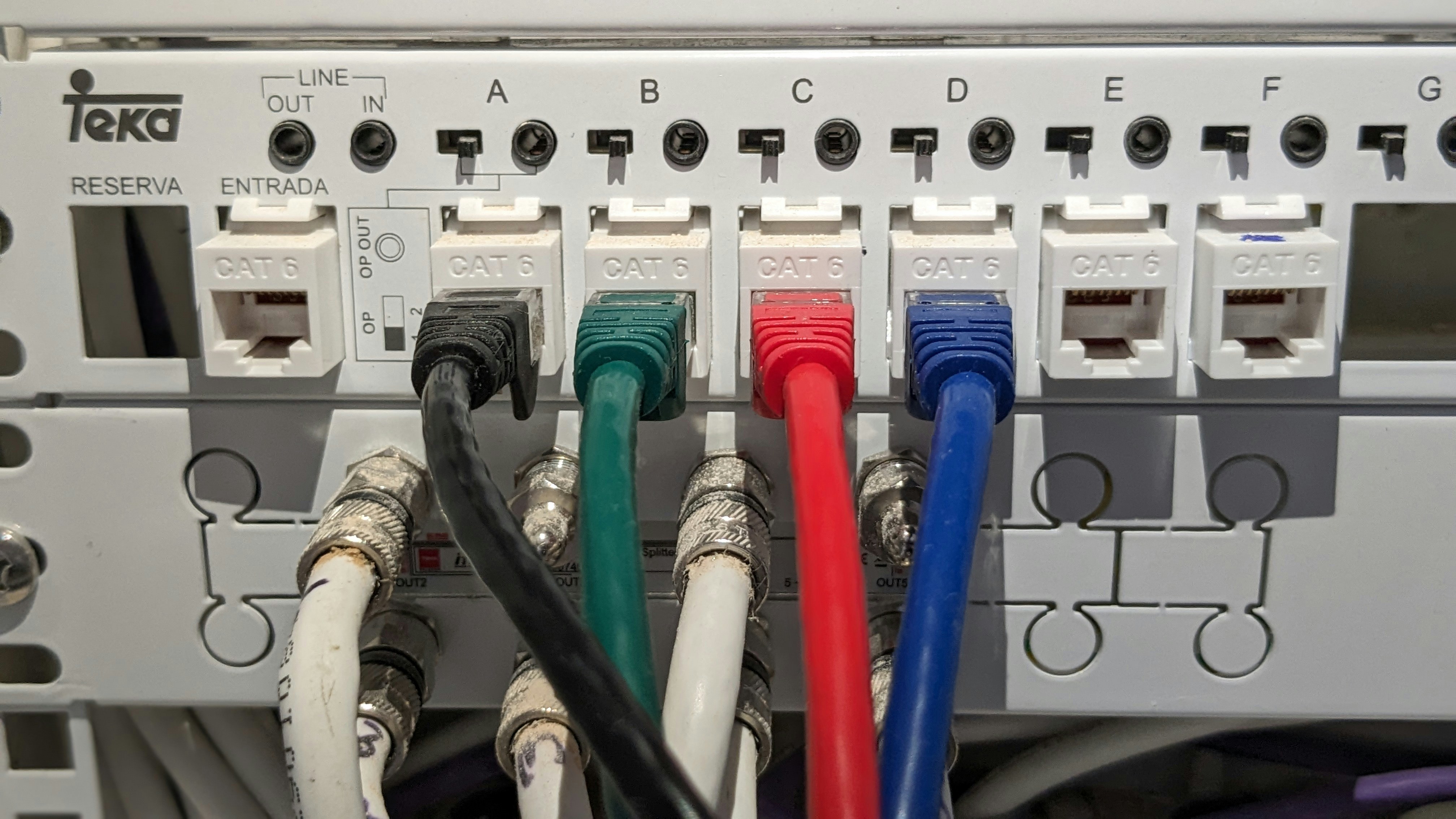
Understanding Structured Cabling: A Brief Overview
Structured cabling refers to a standardized approach to designing and installing cabling systems that are essential for data and telecommunications network operations. Typically, this type of cabling consists of a series of sub-systems, including horizontal cabling, vertical cabling, termination points, and the associated equipment. Collectively, these elements create a comprehensive infrastructure that facilitates seamless communication and data transfer within an organization.
At its core, structured cabling is based on a modular design, which allows for flexibility and scalability as the requirements of a network change over time. The horizontal cabling component connects individual workstations to the distribution frame. Vertical cabling, which typically refers to the backbone installations, connects different floors or key areas of a building, ensuring that signals can be transmitted efficiently throughout the space. This well-organized system enables efficient management and troubleshooting, minimizing downtime and improving operational productivity.
The significance of structured cabling has become increasingly apparent in today’s fast-paced, technology-driven environments. With the ongoing expansion of networks, structured cabling provides a reliable and organized solution that caters to the demands of modern infrastructure. It supports various applications, such as voice, data, video, and other multimedia traffic, emphasizing its versatility and critical role in enterprise environments.
Moreover, investing in structured cabling can enhance efficiency and reduce the likelihood of disruptions caused by outdated or poor-quality cabling systems. An organized cabling layout improves network performance, which is essential for business operations. Thus, understanding the components and functions of structured cabling is vital for professionals involved in telecommunications and technology, making it an essential consideration in the design and implementation of networking solutions.
The Benefits of Structured Cabling in Tularosa
Structured cabling systems provide numerous advantages to businesses in Tularosa, New Mexico, significantly impacting their operational efficiency and communications. One of the most noteworthy benefits is the ability to support network scalability. As local businesses grow, their networking needs evolve. Structured cabling allows for easy expansion, accommodating additional devices and users without requiring a complete overhaul of existing infrastructure.
In Tularosa, the implementation of these systems enhances communication infrastructure, promoting more reliable data transfer and minimizing downtime. Enhanced communications are critical for businesses that rely on fast and secure data sharing, whether for internal collaboration or customer-facing interactions. The improved connectivity ensures that local enterprises can maintain a competitive edge in today’s fast-paced market.
Furthermore, structured cabling systems can lead to potential cost savings for businesses. By consolidating wiring and centralizing network management, businesses can reduce the costs associated with installing and maintaining separate systems for various telecommunications needs. This efficiency not only translates to lower initial investments but also decreases long-term operational expenses.
Adopting structured cabling allows Tularosa’s businesses to leverage advanced technologies, from high-speed internet access to the Internet of Things (IoT). This ability to integrate new technologies seamlessly facilitates innovation and enhances service delivery. Ultimately, structured cabling is an investment in the future of local businesses, providing the framework needed to adapt to upcoming challenges and capitalize on new opportunities.
Key Components of Structured Cabling Systems
Structured cabling systems are integral to efficient communication infrastructure, and they comprise several essential components, each serving a specific purpose. Understanding these components can significantly enhance the reliability and performance of network installations.
Firstly, the cabling itself is a crucial element. The most common types of cabling used in structured cabling include twisted pair cables, coaxial cables, and fiber optic cables. Twisted pair cables, consisting of pairs of wires twisted together, are frequently utilized for both data and voice transmission. They are categorized as unshielded twisted pair (UTP) and shielded twisted pair (STP), each offering different levels of performance and shielding against interference. On the other hand, coaxial cables, known for their robust design, are typically used for cable television signals and broadband internet. Fiber optic cables, which transmit data in the form of light, provide high throughput and long distance capabilities, making them ideal for backbone installations in structured cabling.
Next, the hardware components include network interface cards (NICs), switches, routers, and patch panels. NICs are essential for connecting devices to the network, while switches facilitate communication between devices on the same network segment. Routers serve as gateways for data to travel between different networks, managing traffic efficiently. Patch panels provide a method to organize and manage cable connections, allowing for easier maintenance and troubleshooting.
In addition to cabling and hardware, connectivity options such as wall outlets, jacks, and connectors play a vital role in a structured cabling system. Wall outlets allow for easy access to network connections, while jacks and connectors ensure reliable physical connections between cables and devices. Together, these components create a cohesive system that supports various applications, from data transfer to telecommunications.
In conclusion, structured cabling is composed of various vital components that work together to develop a reliable communication infrastructure. Understanding these elements not only facilitates better installations but also ensures that the system can adapt to future technological advancements.
Current Trends in Structured Cabling Technology
Structured cabling technology is continually evolving, driven by advancements that enhance performance and increase efficiency in networking solutions. One of the most significant developments in recent years has been the explosive growth of fiber optic cabling. Fiber optics, known for their high-speed and increased bandwidth capabilities, are increasingly being adopted across various sectors, including residential, commercial, and governmental infrastructures. In Tularosa, New Mexico, local businesses are starting to recognize the advantages of upgrading to fiber optic systems, leading to faster internet speeds and improved data transmission.
Another critical trend is the enforcement of compliance with established cabling standards. Organizations such as the Telecommunications Industry Association (TIA) and the International Organization for Standardization (ISO) set out guidelines to ensure that cabling systems meet specific performance metrics. In Tularosa, local contractors are increasingly focusing on adherence to these standards, which not only ensures better quality systems but also mitigates risks associated with data loss and network failures.
Additionally, the integration of smart building technologies is shaping the future of structured cabling systems. These technologies facilitate greater control and automation of building operations, such as lighting and HVAC systems, through networked cabling infrastructure. With the increasing adoption of smart systems in Tularosa, there is a growing demand for structured cabling solutions that support Internet of Things (IoT) devices and secure data transmission. This shift towards intelligent infrastructure is a hallmark of modern cabling technology, underscoring the importance of having a well-designed cabling system that can accommodate emerging technologies.
Overall, the trends in structured cabling technology reflect a commitment to enhancing connectivity and optimizing network efficiency. As Tularosa continues to grow, these innovations will play a crucial role in ensuring that the local infrastructure is equipped to meet the demands of a digitally interconnected environment.
Why Choose a BICSI Certified Installer?
BICSI certification represents a significant benchmark for professionals engaged in the structured cabling industry. It indicates that an installer has undergone rigorous training and has demonstrated their expertise in cabling design, installation, and support, making it a critical endorsement for anyone looking to undertake structured cabling projects.
When considering cabling installation, one of the foremost reasons to opt for a BICSI certified installer is the assurance of quality. These professionals have been educated on the latest industry standards, practices, and technologies. This specialized knowledge enables them to avoid common mistakes that can lead to costly reworks or substandard performance. By hiring a certified installer, clients can trust that their cabling infrastructure will be robust, reliable, and compliant with local and national regulations.
Furthermore, BICSI certified installers are trained in a variety of cabling solutions, allowing them to tailor their services to meet specific project requirements. Their competence not only encompasses the installation of cabling but also extends to troubleshooting and maintaining existing systems, thereby enhancing the longevity and efficiency of structured cabling systems. This breadth of knowledge is essential for projects where custom solutions or troubleshooting are paramount.
The certification process also ensures that installers are committed to ongoing education and professional development. This requirement keeps them abreast of emerging technologies and evolving practices in the structured cabling field, which can significantly impact the performance of a cabling project. By choosing a BICSI certified installer, clients can benefit from innovative solutions that leverage the latest advancements in technology.
In conclusion, selecting a BICSI certified installer for structured cabling projects offers numerous advantages, from guaranteed quality and expertise to tailored solutions and ongoing professional development. These factors contribute significantly to the success and sustainability of structured cabling systems.
The Process of Obtaining BICSI Certification
The process of obtaining BICSI (Building Industry Consulting Service International) certification involves a series of strategic steps designed to ensure that individuals are well-prepared and knowledgeable in structured cabling systems. This certification is highly regarded in the telecommunications and information technology fields, making it a valuable asset for professionals in Tularosa and beyond.
First, it is essential to meet the prerequisites outlined by BICSI. Candidates are typically required to have a foundational understanding of information technology and telecommunications principles. Relevant work experience in the field can significantly enhance an applicant’s eligibility. Generally, candidates are encouraged to have at least two years of experience in the structured cabling industry, which satisfies the hands-on requirements set forth by BICSI.
Once the prerequisites are established, individuals can engage in preparatory steps that include selecting appropriate study resources. BICSI offers various training programs, including online courses, in-person workshops, and study guides tailored to the specific certification track. Students should focus on these resources to grasp essential concepts and practices involved in structured cabling installation and maintenance.
After thorough preparation, candidates can register for the certification exam through the BICSI website. The exam typically consists of multiple-choice questions covering various topics related to structured cabling systems. It is crucial for candidates to familiarize themselves with the exam format and types of questions likely to be encountered.
Upon passing the exam, individuals will receive their BICSI certification, which not only demonstrates their expertise but also enhances their career prospects. Holding a certification from BICSI is an affirmation of a professional’s commitment to quality and standards in the structured cabling industry, which is essential for those intending to establish a successful career in Tularosa.
Real-World Applications of Structured Cabling in Tularosa
The implementation of structured cabling systems in Tularosa has significantly enhanced various businesses, contributing to improved efficiency and reliability in their communications. Local enterprises have recognized the benefits of upgrading their infrastructure, thereby adopting structured cabling solutions to meet their operational needs.
For instance, the Tularosa Municipal School District recently undertook a project to modernize its connectivity infrastructure. By integrating a structured cabling system, the schools experienced a substantial increase in network speed and reliability. This upgrade facilitated better access to digital resources, allowing both teachers and students to engage in more interactive learning experiences. The improved network facilitated streamlined communication and collaboration tools, which are crucial in today’s educational landscape.
Furthermore, several businesses in Tularosa have provided testimonials regarding the positive impact of structured cabling. A local healthcare center reported that with the installation of their new cabling system, patient information could be accessed quickly and securely, thereby enhancing the overall patient experience. The structured cabling allowed for seamless integration of various medical devices and data systems, reducing errors and increasing efficiency in patient care.
Similarly, a retail business highlighted how its structured cabling system supported the implementation of a new point-of-sale system that improved transaction times and inventory management. By utilizing this technology, the store could better serve its customers and respond to market demands more effectively. The structured cabling not only provided the necessary bandwidth but also allowed for easy scalability as the business continues to grow.
In summary, the real-world applications of structured cabling in Tularosa illustrate its importance across different sectors. From education to healthcare and retail, local businesses are leveraging this technology to enhance their operational efficiency and improve service delivery, demonstrating the critical role of structured cabling in modern business environments.
Challenges and Considerations in Implementing Structured Cabling
The installation of structured cabling systems in Tularosa, New Mexico, entails a series of challenges that stakeholders must navigate to ensure successful implementation. One of the primary obstacles is budget constraints. Organizations often operate within limited financial resources, necessitating careful planning and prioritization of expenses related to cabling infrastructure. Balancing quality with cost can lead to difficult decisions about equipment and service providers, ultimately impacting the project’s overall efficacy.
Moreover, existing infrastructure poses a significant challenge during installation. Many facilities in Tularosa may have outdated or incompatible systems that need assessment and possibly renovation to accommodate new cabling solutions. Conducting a comprehensive audit of existing infrastructure is essential to identify potential compatibility issues and to develop an effective strategy for seamless integration.
Technical issues also present hurdles that can delay or complicate the installation process. Factors such as environmental conditions, the presence of electromagnetic interference, or physical barriers within a building can affect the performance of structured cabling systems. Special attention must be paid to the technical specifications of cables and connectors to ensure that the system meets the required standards for bandwidth, speed, and reliability. This might require involving skilled technicians who are well-versed in the latest advancements in technology and installation techniques.
In addition to these challenges, stakeholders must consider regulatory compliance, particularly regarding safety standards and local building codes in Tularosa. Non-compliance may lead to costly fines or rework. Thus, collaborating with certified professionals who understand the requirements related to structured cabling is crucial.
Overall, addressing these challenges through comprehensive planning, effective budgeting, and skilled installation will enhance the likelihood of a successful structured cabling implementation, equipping organizations in Tularosa with a reliable and efficient communication infrastructure.
Future Outlook for Structured Cabling in Tularosa
The future of structured cabling in Tularosa, New Mexico, appears promising as technological advancements continue to shape the landscape of communication and data management. With increasing demands for high-speed internet and reliable network infrastructure, the structured cabling sector is expected to witness significant growth. This is particularly relevant as businesses and residents alike seek solutions to support their connectivity needs in a rapidly digitalizing environment.
Enhancements in cabling technologies, such as fiber optics and innovative cable management systems, are paving the way for more efficient installations. These innovations are not only focused on improving bandwidth and speed but are also addressing the sustainability and energy efficiency of network setups. As telecommunications companies and infrastructure providers in Tularosa adopt these advancements, there will be a notable ripple effect on service quality for end users.
In addition to technological innovations, the demand for BICSI certified professionals will rise as businesses prioritize quality installations and maintenance. BICSI certification signifies a commitment to industry standards, providing assurance that cabling professionals are equipped with the latest knowledge and skills required to meet the evolving needs of structured cabling systems. Consequently, we can expect an increase in training and certification programs in the Tularosa region to support this growing demand for skilled labor.
Furthermore, the incorporation of smart technologies, such as IoT (Internet of Things) devices and automation systems, into everyday operations will drive the necessity for robust structured cabling infrastructures. As businesses look to integrate smart solutions for operational efficiency and enhanced connectivity, structured cabling will play an integral role in supporting these transformations. Thus, the future of structured cabling in Tularosa looks to be not only about meeting current demands but also about preparing for the innovations that will define tomorrow’s communication networks.
Leave a Reply